
Have you noticed a persistent musty odor emanating from your crawl space? It’s not something you should ignore. That smell could be a dire warning of mold growth, a silent destroyer causing potential issues in your home’s structure and your health. You might wonder, what causes this insidious growth, and more importantly, how can you deal with it effectively? It’s time to roll up your sleeves and tackle this issue head-on. Stick around to learn the best strategies for mold detection, removal, and prevention.
Key Takeaways
- A musty smell in your crawl space often indicates mold presence due to moisture problems.
- Mold thrives in damp, poorly ventilated areas, with crawl space often providing these conditions.
- Exposure to mold can cause health issues including respiratory problems, skin irritation, and neurological symptoms.
- Addressing water leaks and improving ventilation can significantly reduce mold growth in crawl spaces.
- DIY mold removal techniques include using bleach, vinegar, or baking soda, and wearing protective gear is essential.
Identifying the Musty Smell
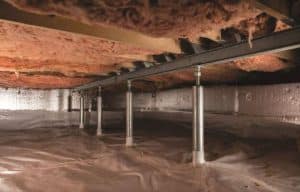 While you mightn’t always see it, if there’s a mold problem in your crawl space, your nose will likely be the first to know. You’ll notice a musty, damp smell that seems to cling to the air, irrespective of how many windows you open or how many air fresheners you use. That’s the distinctive scent of mold and mildew, and it’s a surefire sign you’ve got a problem.
Identifying that smell is the first step in tackling a mold issue. It’s not a pleasant smell, but it’s a necessary alert. Think of it as your home’s way of waving a white flag, a cry for help that shouldn’t be ignored. It’s a clear indication that there’s moisture where it shouldn’t be, encouraging mold to grow and multiply.
While it’s tempting to mask the smell with air fresheners or candles, you’re only applying a band-aid to a festering wound. It’s essential to confront the issue head-on. Ignoring it won’t make it go away.
The Science Behind Mold
You’ve caught the musty scent and recognized the telltale sign of mold lurking in your crawl space. But what’s the science behind this unwelcome guest? Mold is a type of fungus that grows from tiny spores floating in the air. It’s everywhere, inside and outside, but it becomes a problem when it finds a damp, dark spot and begins to grow.
Your crawl space is the perfect breeding ground for mold. It’s often humid, poorly ventilated, and prone to leaks or flooding. When these conditions are met, mold spores settle down, multiply and start breaking down organic material for food. This process produces enzymes that cause the distinctive musty smell.
Mold can grow on various surfaces, including wood, carpet, insulation, and even your home’s foundation. It’s not just about the smell or unsightly patches; it’s the damage mold can inflict on your house. It can weaken structures, destroy furnishings, and wreak havoc on your home’s overall integrity.
Understanding the science behind mold is the first step in tackling the problem. In the next section, we’ll explore the health hazards associated with mold exposure.
Health Hazards of Mold Exposure
Now, let’s talk about how mold can impact your health.
You might be surprised to learn that allergy symptoms can be triggered by mold exposure.
Over time, these seemingly minor reactions can evolve into more severe long-term effects.
Mold’s Impact on Health
Breathe easy now, but should mold infiltrate your crawl space, it can become an invisible enemy to your health.
You see, mold generates microscopic spores that can permeate your home’s oxygen supply, and once inhaled, these spores can wreak havoc on your body.
Here’s the kicker: you don’t have to be allergic to mold to suffer its ill effects. Everyone, yes, everyone, can experience health problems if exposed to sufficient mold concentrations.
Here are three potential health consequences you should be aware of:
- Respiratory issues: Exposure to mold can cause persistent coughing, sneezing, and shortness of breath. In severe cases, it can even lead to serious lung infections.
- Skin irritation: Mold spores can land on your skin and cause rashes, itching, and redness. If you’ve got sensitive skin, you’re more likely to experience these symptoms.
- Eye discomfort: Itchy, red, or watering eyes can all be signs of mold exposure. This is because mold spores can easily irritate the sensitive tissues in your eyes.
Allergy Symptoms From Mold
Countless individuals unknowingly suffer from mold allergies, a silent, unseen menace lurking in your crawl space. You might be one of them, and you wouldn’t even know it. Symptoms can often be mistaken for a common cold or flu. They’re subtle, sneaky, and can wreak havoc on your health.
You may experience sneezing, itching, watery eyes, or a runny nose. These nuisances could be more than just an allergic reaction to seasonal changes; they could be your body’s cry for help against mold invasion.
If you’re often feeling fatigued, battling a sore throat, or dealing with chronic sinus congestion, you might be under attack from the mold in your crawl space.
Worse still, if you have asthma or other respiratory conditions, mold can trigger more severe reactions. Shortness of breath, wheezing, and chest tightness are all symptoms to watch out for.
Mold allergies aren’t to be taken lightly. They’re not only disruptive to your daily life, but they’re also a sign of a bigger problem: a mold-infested crawl space.
Don’t ignore these symptoms. Knowing them is the first step in combating the mold menace. Taking action can save your health and your home.
Mold Exposure Long-term Effects
While the allergy symptoms from mold exposure can be bothersome, the real concern lies in the long-term health hazards. You might be surprised to know that continuous exposure to mold can lead to serious health problems. Some of these issues aren’t as immediate as allergies, but they’re much more dangerous.
- Respiratory Problems: Mold spores in the air can be inhaled, leading to chronic respiratory issues. You can develop asthma, chronic bronchitis, and other lung diseases. These conditions can dramatically affect your quality of life.
- Neurological Symptoms: Long-term mold exposure can affect your nervous system. Symptoms can range from headaches and dizziness to memory loss and confusion. In severe cases, it can even lead to debilitating conditions like chronic fatigue syndrome.
- Immune System Disorders: Mold exposure can also weaken your immune system. This makes you more susceptible to various illnesses and infections. It’s particularly dangerous for people with pre-existing immune disorders.
Don’t underestimate the risk of long-term mold exposure. It’s more than just allergies and irritation. It can lead to serious health problems that can dramatically affect your life.
Be proactive in inspecting and cleaning your crawl space regularly to minimize mold growth.
Why Crawl Spaces Foster Mold
You might wonder, why do crawl spaces seem to foster mold?
It’s largely down to three factors: humidity levels, insufficient ventilation, and water leaks.
We’ll examine each of these issues, their role in mold growth, and what you can do to mitigate the problem.
Humidity Levels in Crawl Spaces
Crawl spaces, those dark, unvisited areas beneath your home, can unwittingly become breeding grounds for mold. Why is this? Humidity levels play a significant part in this problem.
When the humidity level rises above 60%, it’s like sending out a party invitation to mold spores. They thrive in damp, moist conditions. And guess what? Your crawl space provides the perfect environment, especially if not monitored regularly.
Humidity can sneak up on you. Changes in the weather, leaky pipes, or even the earth’s natural moisture can contribute to an increase in your crawl space’s humidity. This is when mold growth can kick in, making your home a moldy mess.
Here are three key elements to understanding humidity in your crawl space:
- Humidity level: Keep it below 60%. Invest in a dehumidifier if necessary.
- Regular checks: Don’t neglect your crawl space. Regular checks can help you spot and address potential problems early.
- Moisture sources: Identify and address sources of moisture. This can include anything from leaky pipes to poor drainage around your home.
Insufficient Ventilation Issues
Despite maintaining a low humidity level, mold may still find your crawl space an inviting home if there’s inadequate ventilation. Poorly ventilated crawl spaces foster a stagnant, moist environment, which is a prime breeding ground for mold.
You might wonder, why’s ventilation so important? Well, it’s all about air circulation. Without sufficient airflow, moisture can’t evaporate efficiently, and it lingers, creating the perfect damp, dark conditions mold loves.
When air can’t circulate, it doesn’t carry away the moisture that naturally accumulates in your crawl space.
Installing vents in your crawl space is a simple solution, but it’s not just about having them; it’s about their correct placement and size. Too few vents or improperly placed ones won’t provide the necessary airflow.
Furthermore, vents that are too small won’t allow enough air in or out, failing to decrease humidity effectively.
Effects of Water Leaks
Moving on from ventilation issues, another significant factor that promotes mold growth in crawl spaces is water leaks. When you’ve got a water leak, it creates the perfect damp environment that mold needs to thrive.
You might be wondering, how does a small leak lead to a mold problem? Well, here are three ways:
- Persistent Dampness: Even a small leak can cause a chronic moisture problem. This dampness encourages mold spores to grow and multiply.
- Rapid Mold Growth: Once mold establishes itself, it can grow rapidly in the right conditions. A tiny leak can soon lead to a significant mold issue if not addressed promptly.
- Structural Damage: Over time, water leaks can damage the structural integrity of your crawl space. This deterioration creates additional places for mold to hide and grow.
The bottom line? Don’t ignore water leaks. They’re not just a nuisance; they’re a direct invitation to mold.
Spotting Signs of Mold Growth
A surprising number of homeowners overlook the importance of regularly checking their crawlspaces for mold.
But it’s essential to realize that mold isn’t always visible to the naked eye. You may not see it, yet it could be thriving in your crawlspace, causing an array of health issues for your family.
So, how do you spot the signs of mold growth? Well, your first clue is a musty odor. If you’re catching a whiff of something that smells like damp paper or wood, it’s time to investigate. This scent is a common indicator of fungal growth.
Next, you’ll want to look for discoloration. Mold often presents as black, green, or white spots on surfaces. It likes damp, dark, and humid environments, so if your crawl space fits that description, you’re at a higher risk.
Lastly, if you or your family members are experiencing unexplained allergy symptoms, it could be a reaction to mold spores. Persistent coughing, sneezing, or itchy eyes can all be signs.
Assessing Your Crawl Space for Mold
Before you can tackle a mold problem, you need to know what you’re dealing with.
You’ve spotted signs of mold, and now it’s time for a thorough assessment of your crawl space.
First, you’ll want to gear up. Mold can be harmful, so it’s important to protect yourself. Use a mask, gloves, and wear long sleeves and pants.
Now, let’s get down to business. Here’s a quick three-step guide to help you assess your crawl space for mold:
- Visual Inspection: Start by looking for visible mold. It often appears as a fuzzy or slimy patch, typically green, black, or white. Don’t overlook any dark corners.
- Smell Test: If there isn’t obvious mold, use your nose. A musty, damp odor is a telltale sign of mold.
- Surface Testing: Finally, try touching surfaces. If they feel damp, it’s a conducive environment for mold.
Professional Mold Inspection: When to Call
Sometimes, a do-it-yourself approach falls short, and your crawl space’s mold situation might become a heavyweight contender needing a professional touch.
If you’ve spotted mold in your crawl space or if you’ve observed persistent musty smells or increased allergy symptoms, it might be time to call a pro.
A professional mold inspector is equipped with tools and knowledge that you mightn’t have. They can identify not just visible mold, but also hidden colonies lurking behind your walls or beneath your floors.
They’ll conduct tests, analyze samples, and give you a detailed report of the mold levels in your crawl space.
But when should you make the call? If your home has recently suffered water damage, or if you’ve been unsuccessful in your attempts to combat the mold situation, it’s time for professional intervention.
Persistent musty smells despite thorough cleaning are a clear sign of hidden mold. If your health is suffering, don’t wait. Exposure to mold can lead to serious health issues, and your wellbeing should always be your priority.
DIY Mold Removal Techniques
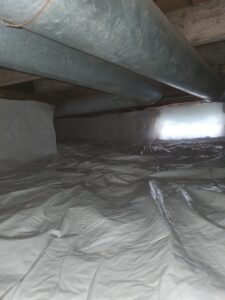 While calling in professionals is a smart move for severe mold issues, there are a few strategies you can employ on your own for minor mold problems. A little bit of elbow grease and some household items are all you need to combat this unwelcome intruder.
First, make sure you’re suitably dressed for the task. Wear protective clothing that covers your entire body. Don’t forget gloves, goggles, and a mask to prevent direct exposure.
Now, let’s explore the core of DIY mold removal techniques:
- Bleach Solution: A simple mixture of one cup of bleach to one gallon of water can be used to scrub surface mold off hard surfaces. Just remember, never mix bleach with other cleaners as it can produce toxic fumes.
- Vinegar Spray: Spraying undiluted white vinegar on the mold and leaving it for an hour can kill about 82% of mold species. Rinse and dry the area thoroughly afterward.
- Baking Soda Paste: For porous surfaces like wood, a paste of baking soda and water applied, left to dry, then scrubbed off can effectively remove mold.
Preventing Future Mold Infestations
To keep mold from creeping back into your crawl space, a proactive approach is essential.
Don’t wait for the musty smell to return before taking action. Instead, prevent mold from gaining a foothold in the first place.
Start by controlling moisture. It’s mold’s best friend, so keep it at bay. Use a dehumidifier or install proper ventilation to maintain low humidity levels.
Don’t forget to clean the space regularly, as dust and dirt can also encourage mold growth.
Next, consider using mold-resistant products. These include paints and building materials that contain mold inhibitors.
They’re a bit more expensive, but they’re worth it in the long run.
Finally, be vigilant. Consistently check your crawl space for leaks or water damage, especially after heavy rain.
Quick action can stop a small problem from becoming a big, moldy mess.
Don’t ignore that musty smell in your crawl space; it’s a mold alert! Your health and your home’s structure could be at risk. Regular inspections can spot early signs, but if you’ve got persistent odors, call in professionals. You can tackle some mold issues yourself, but remember, prevention’s key. Address moisture problems promptly to stop mold in its tracks. Stay vigilant, and you can keep your crawl space and your home healthy and safe.

All-Star Basements is Locally Owned and Operated and based out of Rochester, Minnesota. We cover Southern Minnesota including the Twin Cities area, Western Wisconsin and parts of Northeast Iowa. Our team is committed to solving our customers’ basement waterproofing, foundation repair, or crawl space needs and offering multiple solutions to choose from.
As a proud member of the Basement Health Association and the National Waterproof Members of America, we have the best products available to solve your leaky basement, seepage, or flooding issues. Our lineup also includes multiple crawl space solutions.
If you have foundation problems that need any kind of repair, we can help! We feature the nationally renowned Grip-Tite Foundation Systems, which has a long history over 90 years of fixing homeowners’ foundation repair issues- from walls that are buckled, tipping or cracked and bowing.
At All-Star Basements, we are committed to providing multiple solutions to choose from to help fix any basement problem you may have. We are very proud of our Better Business Bureau A+ rating and take great pride in caring for all of our customers’ needs- big or small, we do it all!


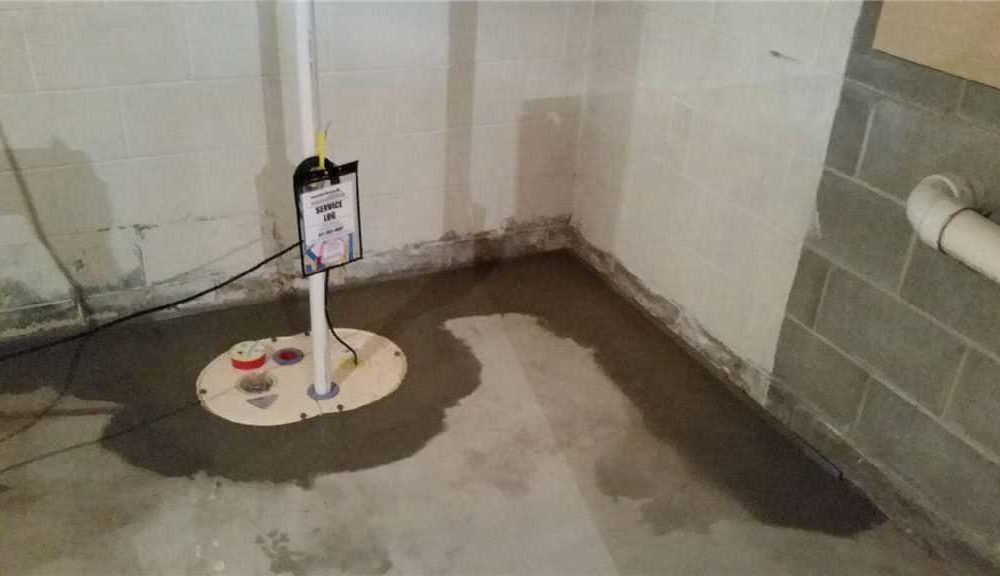
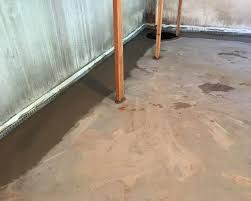
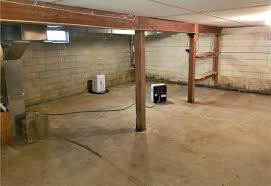

 Water infiltration in basements can weaken the foundation over time. When moisture accumulates around the foundation, it increases hydrostatic pressure, putting stress on
  7. The Importance of Hiring Professionals for Waterproofing


 Sealants and Epoxy Injection: Sealants and epoxy injections can be applied to small cracks and gaps in the foundation walls and floor. While not a permanent fix, they are effective for addressing minor leaks and preventing water from spreading.
 Cementitious Coatings: Cement-based coatings are durable and easy to apply, making them a popular choice for interior waterproofing. They are ideal for sealing foundation walls and preventing minor water seepage.