If your basement wall is bowing inward, developing horizontal cracks, or beginning to lean, the problem may involve more than cosmetic damage. Bowing basement walls are a common sign of excessive pressure against the foundation, and the movement can become more serious if the underlying cause is not addressed.
For homeowners in Rochester, MN, two common professional solutions are carbon fiber straps and wall anchor systems. Carbon fiber is typically used to reinforce and stabilize walls with limited movement, while wall anchors are designed to stabilize walls experiencing more significant bowing or leaning and may provide an opportunity for gradual correction.
The right solution depends on the wall construction, amount and location of movement, surrounding soil conditions, access around the foundation, and other structural factors.
If you see a bowed or cracked foundation wall, All-Star Basements can evaluate the problem and recommend an appropriate foundation repair solution in Rochester, MN.
What Causes Basement Walls to Bow in Rochester, MN?
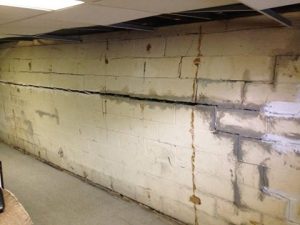 A basement wall begins to bow when lateral pressure from the soil outside becomes greater than the wall can safely resist.
Several conditions can contribute to this pressure around homes in Rochester and Southern Minnesota.
Water and Hydrostatic Pressure Around the Foundation
After heavy rain or snowmelt, water can accumulate in the soil surrounding a foundation. As moisture builds up, pressure against basement walls can increase.
Poor exterior drainage, clogged gutters, improper grading, and saturated soil can make these conditions worse.
Over time, excessive pressure may contribute to:
- Horizontal foundation cracks
- Stair-step cracks in concrete block walls
- Walls bowing inward near the center
- Walls leaning inward near the top
- Separation around basement walls or framing
- Water seepage through foundation cracks
Because water and structural problems can occur together, a professional inspection should evaluate both the condition of the wall and how water is moving around the foundation.
Homeowners dealing with moisture problems can also learn more about basement waterproofing solutions available from All-Star Basements.
Freeze-Thaw Cycles in Southern Minnesota
Minnesota’s seasonal temperature changes can also affect the soil around a foundation.
Moisture in the ground can freeze, expand, thaw, and become saturated again as conditions change. Repeated seasonal movement can increase stress around vulnerable foundation walls, especially when drainage problems or existing cracks are already present.
A wall that was originally only slightly cracked may gradually show more obvious bowing, displacement, or leaning.
What Are the Warning Signs of a Bowing Basement Wall?
Not every foundation crack means that a wall is failing, but certain patterns deserve closer attention.
Common signs of a bowing or structurally stressed basement wall include:
- Horizontal cracks running across a block or poured concrete wall
- Stair-step cracking along mortar joints
- A visible inward curve in the middle of the wall
- The top of the wall leaning toward the basement
- Cracks that appear to be widening over time
- Doors or windows near the foundation becoming difficult to open
- Gaps or movement where walls meet other structural components
If you are unsure whether a crack is structural, read our guide on how to tell if foundation cracks are serious in Minnesota.
Carbon Fiber Straps vs. Wall Anchors: What’s the Difference?
Both systems can be used to stabilize foundation walls, but they solve different structural conditions.
The simplest way to think about the difference is:
Carbon fiber straps reinforce and stabilize the wall from the interior, while wall anchors connect the foundation wall to stable soil outside the home to resist inward pressure.
The correct system should be selected after the foundation has been evaluated.
Carbon Fiber Straps for Bowing Basement Walls
Carbon fiber reinforcement offers a low-profile method of strengthening certain bowed or cracked foundation walls.
The straps are bonded vertically to the interior surface of the foundation using structural epoxy. Once installed, the carbon fiber reinforcement helps resist additional inward movement.
Benefits of Carbon Fiber Wall Reinforcement
Carbon fiber can be an attractive option because it is:
- Extremely strong while remaining thin
- Installed from inside the basement
- Non-obtrusive compared with larger steel systems
- Resistant to corrosion
- Suitable for painting or finishing over in many situations
- Installed with minimal disruption to the property
Because carbon fiber remains close to the wall surface, it can also be helpful for homeowners who plan to finish or remodel their basement later.
When Is Carbon Fiber Typically Used?
Carbon fiber straps are generally considered when a foundation wall requires stabilization but has not moved to the point where another structural system is more appropriate.
The amount of displacement alone does not determine the repair method. Wall type, cracking pattern, soil pressure, structural loading, and whether the wall is still actively moving all need to be evaluated.
All-Star Basements uses Grip-Tite Carbon Fiber Straps as one of its available foundation repair solutions.
You can also see an example of a local project involving Grip-Tite carbon fiber straps in Rochester, MN.
Wall Anchors for Bowing or Leaning Foundation Walls
When a wall requires greater structural reinforcement, a wall anchor system may be recommended.
All-Star Basements installs Grip-Tite Wall Anchors for bowed, cracked, and leaning foundation walls.
The system uses an interior wall plate connected by a steel rod to an anchor positioned in stable soil outside the foundation. Together, these components counteract the inward pressure acting against the basement wall.
Benefits of Wall Anchor Systems
Depending on the condition of the foundation, wall anchors can:
- Stabilize bowing and leaning walls
- Resist continued inward soil pressure
- Work with multiple foundation wall types
- Require relatively limited disturbance around the property
- Provide the potential for gradual wall improvement in appropriate situations
- Avoid complete foundation wall replacement in many cases
Wall anchors can be installed in different locations along the wall, and installation can often be planned around landscaping, decks, concrete, and other exterior features.
See a local example of wall anchor installation in Rochester, MN.
Carbon Fiber vs. Wall Anchors: Which Foundation Repair Is Better?
Neither system is automatically “better.” The goal is to match the repair to the condition of the foundation.
Carbon fiber may be appropriate when:
- The wall needs structural reinforcement
- Movement is relatively limited
- Additional stabilization is the primary objective
- A low-profile interior repair is preferred
- Exterior access is limited
Wall anchors may be appropriate when:
- The wall is noticeably bowed or leaning
- Horizontal cracking indicates significant lateral pressure
- Greater structural resistance is needed
- Continued wall movement is a concern
- Gradual correction may be possible
In some homes, different sections of the foundation may even require different repair methods.
All-Star Basements has completed Rochester-area projects using both wall anchors and carbon fiber straps, demonstrating why an inspection is more useful than selecting a repair method based only on photographs or crack width.
Can a Bowing Basement Wall Be Straightened?
Sometimes—but stabilization comes first.
A wall anchor system may allow a contractor to gradually improve the position of certain foundation walls after they have been stabilized. Whether straightening is appropriate depends on the condition of the wall, amount of movement, construction type, and other structural factors.
Carbon fiber straps, by comparison, are primarily designed to reinforce the existing wall and resist additional movement rather than actively pull a significantly displaced wall back into position.
This distinction is one reason homeowners should have a bowing wall professionally evaluated before deciding on a repair method.
What Happens if You Don’t Repair a Bowing Basement Wall?
Foundation movement rarely becomes less important simply because it is hidden in the basement.
Continued pressure against a compromised wall can contribute to additional cracking, water intrusion, worsening displacement, and more complicated structural repairs.
Waiting can also reduce the number of repair options available.
Repairing the wall while stabilization methods such as carbon fiber or wall anchors remain appropriate may help avoid more disruptive foundation reconstruction later.
If other areas of your home are showing signs of movement, review the common foundation settlement warning signs in Southern Minnesota.
How Much Does Bowing Basement Wall Repair Cost in Rochester, MN?
There is no single price for bowing wall repair because every foundation is different.
 The cost can depend on:
- Length of the affected wall
- Severity and location of the movement
- Foundation construction type
- Number of carbon fiber straps or wall anchors required
- Exterior accessibility
- Drainage or waterproofing problems
- Additional foundation damage
- Structural conditions around the home
Carbon fiber can involve less exterior work, while wall anchors require both interior and exterior components. However, choosing a repair solely because it has a lower initial cost can be a mistake if it does not address the actual structural problem.
A foundation inspection is the best way to determine which system is appropriate and what the repair will involve.
Frequently Asked Questions About Bowing Basement Walls
Are horizontal basement wall cracks serious?
Horizontal cracks can indicate lateral pressure pushing against a foundation wall and should not be ignored, particularly when they are accompanied by visible bowing, leaning, displacement, or continued movement.
A professional foundation inspection can determine whether the crack is primarily cosmetic or associated with a structural problem.
Can carbon fiber straps repair a bowing basement wall?
Carbon fiber straps can reinforce and stabilize certain bowed or cracked basement walls. They are generally used to resist additional movement rather than significantly straighten a wall that has already moved inward.
Can wall anchors straighten a bowed wall?
In appropriate conditions, wall anchors may provide an opportunity for gradual improvement after the wall has been stabilized. The feasibility of straightening depends on the foundation’s construction and current condition.
Which is better: carbon fiber or wall anchors?
It depends on the foundation. Carbon fiber can be an effective low-profile reinforcement solution for certain walls, while wall anchors provide a different form of structural support for walls experiencing greater bowing or leaning. A professional evaluation is necessary to determine the appropriate repair.
Should I waterproof my basement if the walls are bowing?
Structural repair and waterproofing address different problems, but they can be related. Water accumulation and poor drainage can increase pressure around a foundation. If moisture is contributing to the problem, the repair plan may also need to address drainage or basement waterproofing.
How quickly should I repair a bowing basement wall?
A visibly bowing, leaning, or significantly cracked foundation wall should be evaluated as soon as possible. Early evaluation can help determine whether the wall is stable and may preserve more repair options before additional movement occurs.
Foundation Wall Repair in Rochester, MN
Bowing basement walls do not all require the same repair.
Some foundations may benefit from carbon fiber reinforcement, while others require Grip-Tite Wall Anchors or another foundation stabilization approach. The important first step is determining why the wall is moving and how much structural support it needs.
All-Star Basements is locally owned and based in Rochester, Minnesota, serving homeowners throughout Southern Minnesota and surrounding areas. Our team provides foundation repair solutions for bowed, cracked, and leaning basement walls and can help determine which repair option is appropriate for your home.
Concerned about a bowing basement wall in Rochester, MN?
Call or text All-Star Basements at 507-259-7776 to request a free foundation repair estimate and have your basement wall professionally evaluated.
All-Star Basements is Locally Owned and Operated and based out of Rochester, Minnesota. We cover Southern Minnesota including the Twin Cities area, Western Wisconsin and parts of Northeast Iowa. Our team is committed to solving our customers’ basement waterproofing, foundation repair, or crawl space needs and offering multiple solutions to choose from.
As a proud member of the Basement Health Association and the National Waterproof Members of America, we have the best products available to solve your leaky basement, seepage, or flooding issues. Our lineup also includes multiple crawl space solutions.
If you have foundation problems that need any kind of repair, we can help! We feature the nationally renowned Grip-Tite Foundation Systems, which has a long history over 90 years of fixing homeowners’ foundation repair issues- from walls that are buckled, tipping or cracked and bowing.
At All-Star Basements, we are committed to providing multiple solutions to choose from to help fix any basement problem you may have. We are very proud of our Better Business Bureau A+ rating and take great pride in caring for all of our customers’ needs- big or small, we do it all!

 1. Exterior Stair-Step Brick Cracks
 Cosmetic repairs like patching cracks with cement or mudjacking do not address deep soil failure. True restoration requires structural underpinning: transferring the weight of the home off unstable topsoil and onto solid, load-bearing strata or bedrock deep underground.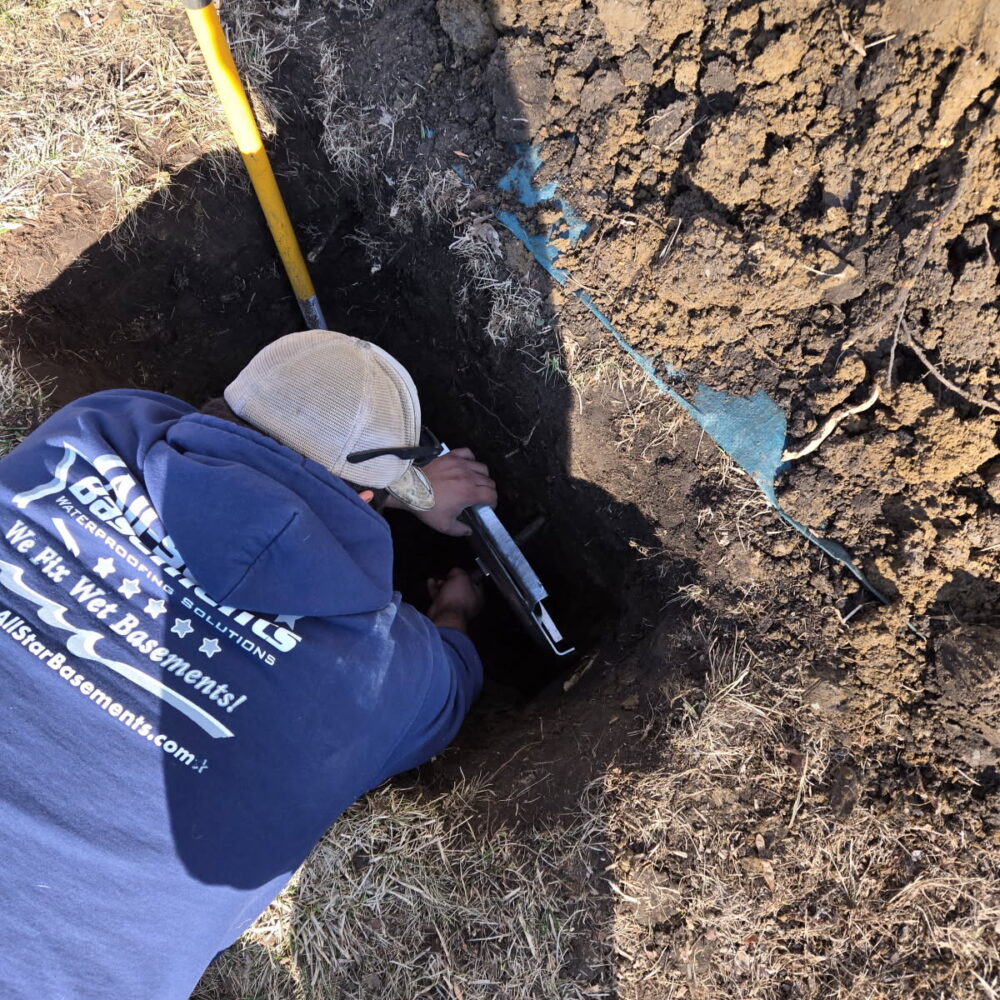
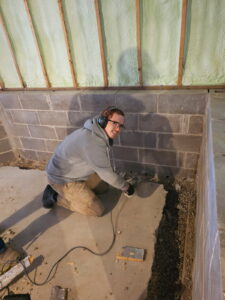
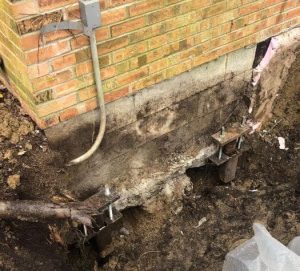 What to Expect During a Structural Underpinning Project