You’re probably not giving much thought to your sump pump – until it stops working. It’s common to overlook issues like improper leveling or sizing, which can hinder your pump’s efficiency. Maybe you’ve neglected the regular maintenance of discharge lines, leaving them prone to clogs or freezing. Or perhaps, you haven’t monitored the pump’s age and performance trends, setting yourself up for a surprise breakdown. So, what steps can you take to guarantee your sump pump functions effectively and prevent costly damages? Let’s explore this further.
Key Takeaways
- Homeowners often overlook the risk of power outages, leading to sump pump failure and increased flood risks.
- Incorrect sump pump installation and sizing can affect performance, causing inefficiencies or complete failure.
- Discharge line issues like clogs or freezing can go unnoticed, causing pump inefficiency and potential flooding.
- Aging sump pumps losing efficiency and reliability over time is a common overlooked problem, increasing the risk of failure.
- Regular maintenance and water level checks are often neglected, leading to pump strain, potential burnout, and flooding.
Power Failure: A Silent Threat
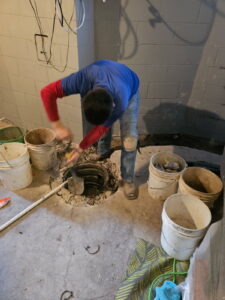 One often overlooked problem that can silently wreak havoc on your home is power failure. You’ve probably experienced blackouts due to storms or electrical problems.
But have you considered how these outages can affect your sump pump? Without power, it’s simply a hunk of metal that can’t protect your home from water damage.
Your sump pump relies heavily on electricity to function. When the power fails, it becomes useless. In worst-case scenarios, your basement could flood, causing expensive damage to your home.
You’d end up with a hefty bill for repairs and replacements, not to mention the stress and inconvenience of dealing with a soggy mess.
Consider investing in a backup power source such as a battery or generator. These devices can jumpstart your sump pump during an outage, saving your home from potential disaster.
It’s also wise to regularly check the power supply to your pump. Make sure your electrical connections are secure and your circuits are in good shape.
Overworked or Underpowered Sump Pumps
Just as power failures can compromise your sump pump’s ability, so too can an overworked or underpowered pump. If your sump pump is constantly running, it’s probably overworked, and this could lead to it burning out prematurely. The problem isn’t just that you’re using too much electricity; the continuous strain can wear down the pump’s components, reducing its lifespan.
On the other hand, an underpowered pump won’t be able to handle a high volume of water, especially during heavy rainfall. If your basement regularly floods during storms, it’s a sign your pump mightn’t be up to the task.
To avoid both scenarios, you need to make sure you’ve chosen the right sump pump for your home’s needs. This means considering the size of your basement, the volume of water that typically needs to be pumped, and your region’s climate.
Don’t simply choose the cheapest or the most powerful option; instead, seek professional advice to find a pump that’s just right.
The Issue of Incorrect Installation
You’ve probably heard that incorrect installation of a sump pump can lead to significant problems.
But do you know what these missteps in pump setup exactly are and how they can adversely affect your home?
Let’s discuss these issues, so you’re not left with a faulty pump and a water-logged basement.
Missteps in Pump Setup
A homeowner’s nightmare may well be the discovery that their sump pump, the bastion against basement flooding, is incorrectly installed. The blunder could be due to simple human error, or perhaps a lack of understanding about how the system should work.
But don’t fret! Let’s explore some of the common missteps in pump setup that you may overlook.
To begin with, you’ve got to verify that the pump is level. If it’s not, it could lean to one side, causing it to work inefficiently or not at all.
In addition, there’s the matter of the pump size. If it’s too small, it won’t be able to keep up with the water flow during a heavy rainstorm. The opposite is also true. An oversized pump may burn out quickly due to the unnecessary work.
Then, there’s the error of connecting the pump to an extension cord, rather than directly to an outlet. This can cause electrical issues and may even lead to a fire.
Adverse Effects of Misinstallation
Incorrect installation of your sump pump can be a silent destroyer, causing insidious damage to your home. You might not even realize it until it’s too late, and by then, you’re dealing with costly repairs.
The most common issues from misinstallation include reduced pump life, frequent breakdowns, and poor pump performance. What’s worse, if your pump fails during heavy rainfall, it could lead to water damage and potential flooding.
To help you understand better, here’s a simple table:
| Misinstallation Type | Potential Problem | Possible Damage |
|---|---|---|
| Incorrect Sizing | Overworking the pump | Shorter Pump Life |
| Poor Positioning | Pump not activating | Flooding |
| Wrong Type of Pump | Inefficient water removal | Water damage |
Avoid these problems by hiring a professional for the installation. They’ll guarantee the pump is the right size, positioned correctly, and is the appropriate type for your needs. In the long run, you’ll save money, and your home will be better protected.
The bottom line: Don’t overlook the risks of misinstalling your sump pump. It’s not worth the headaches or the potential damage to your home.
Clogged or Frozen Discharge Lines
You’ve seen how incorrect installation can wreak havoc on your sump pump’s efficiency.
Now, let’s turn our attention to another common issue you might face: clogged or frozen discharge lines.
We’ll show you how to spot these problems, offer tips to prevent your lines from freezing, and provide solutions to get your pump back in working order.
Identifying Clogged Discharge Lines
Ever faced the nightmare of a flooded basement? It could be due to a clogged discharge line in your sump pump, a common problem that’s easy to overlook. Discharge lines carry water away from your home, and when they’re blocked, water can back up and flood your basement.
Identifying a clogged discharge line isn’t always straightforward. You may not notice it until the damage is done. However, there are signs to watch for. If your sump pump runs frequently but doesn’t reduce the water level, or if it runs continuously, you might’ve a clog.
You can also check the discharge line opening. If water isn’t flowing out, it’s likely blocked. Look for visible signs of blockage like dirt or debris.
Also, be aware that the problem mightn’t be a clog, but a frozen line, a related issue we’ll cover later.
Preventing Frozen Discharge Lines
In the midst of winter, you might find that your sump pump’s discharge line has frozen, leading to the same dismal result as a clog: a flooded basement.
It’s an issue that’s easy to overlook but can cause significant damage if not addressed.
The first step to preventing frozen discharge lines is understanding why it happens. When the sump pump expels water, it travels through the discharge line and out of your home. In freezing temperatures, this water can freeze within the line, blocking it and causing the sump pump to work overtime.
This not only risks a basement flood but also shortens the lifespan of your pump.
To prevent this, consider insulating your discharge line. Insulation can keep the line warm enough to prevent freezing, even in the coldest temperatures.
Another preventive measure is ensuring your discharge line is positioned at a downward slope. This allows water to flow out of the line more easily, reducing the chance it will freeze.
Solutions for Discharge Issues
When faced with discharge issues like clogging or freezing, it’s important not to panic. Instead, get to work on the solution.
If your discharge line is clogged, you’ll want to clean it out. You can use a plumber’s snake to remove any blockages. For more stubborn clogs, consider hiring a professional to guarantee the job’s done right.
Now, if freezing is the issue, there are steps you can take to prevent this from happening. First, insulate your discharge lines. This can be done using foam pipe insulation that’s available at most home improvement stores.
You can also install a discharge line heater, which will keep the line warm enough to prevent freezing.
Keep in mind that the location of the discharge line can also contribute to these issues. Ideally, it should be positioned in a downward slope away from your home. This allows water to drain freely and reduces the chance of freezing.
Ageing and Regular Wear
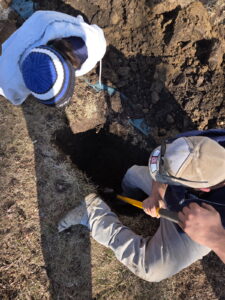 Without a doubt, your sump pump’s age and regular wear can greatly impact its performance. Just like any other mechanical equipment, over time, it’s going to wear out.
You’ll start noticing issues like slower pump rates or complete pump failure.
Now, don’t ignore these signs. They’re not just minor inconveniences. They’re clear red flags that your sump pump’s life is nearing its end. You wouldn’t want to find out your pump’s dead right in the middle of a heavy rain, would you?
It’s also important to remember that even if your pump’s not showing these signs, it doesn’t mean it’s immune to ageing. Most pumps last around 10 years.
So, if your pump’s around that age, it’s best to contemplate a replacement.
Lastly, don’t forget about regular wear. If you’re using your pump frequently, it’s bound to wear out faster.
It’s a good idea to schedule regular maintenance checks to spot potential issues before they become bigger problems.
Absence of a Water Level Check
Shifting gears slightly, let’s tackle another commonly overlooked sump pump problem: the absence of a water level check. You might think your sump pump’s working fine, but without regularly checking the water level, you’re setting yourself up for potential disaster. When the water level is too high, it can cause your pump to work overtime and eventually burn out.
You might wonder, how often should you check the water level? Well, it depends on several factors such as the age of your pump, the climate where you live, and the amount of rainfall you receive. Here’s a basic guide to get you started:
| Age of Pump | Climate | Check Frequency |
|---|---|---|
| New | Dry | Quarterly |
| New | Wet | Monthly |
| Old | Dry | Monthly |
| Old | Wet | Bi-weekly |
Don’t forget, it’s not just about checking the water level. You’ve got to adjust it, too. This is usually done by adjusting the float switch on your pump.
Ignoring the water level in your sump pump can lead to severe consequences. So, don’t overlook it! Stay ahead of the game and keep your home safe.
The Importance of Routine Maintenance
Routine maintenance, the unsung hero of a long-lasting sump pump, is often sidelined by homeowners. You mightn’t realize it, but neglecting regular check-ups can lead to severe issues down the line. There’s a reason why it’s called ‘preventative’ maintenance – it’s there to prevent disasters from happening.
Imagine waking up one morning to a flooded basement because your sump pump failed. Sounds like a nightmare, doesn’t it? That’s what might happen if you don’t keep up with routine maintenance. It’s not just about making your sump pump last longer; it’s about protecting your home from potential water damage.
So, what does routine maintenance involve? It’s all about checking the pump’s components, ensuring it’s clean and working correctly. You should inspect the float switch, test the pump’s operation, and clean the sump pit regularly.
If you notice any unusual noises or the pump isn’t ejecting water, it’s time to call in a professional.
So, don’t overlook these common sump pump issues. A power failure, overworked or underpowered pumps, incorrect installation, clogged or frozen lines, aging, lack of water level checks, and skipping routine maintenance can all lead to big problems. Regular checks and upkeep can prevent costly damages, ensuring your sump pump functions effectively. Stay proactive and avoid the headaches of unexpected breakdowns, keeping your basement dry and your wallet happy.

All-Star Basements is Locally Owned and Operated and based out of Rochester, Minnesota. We cover Southern Minnesota including the Twin Cities area, Western Wisconsin and parts of Northeast Iowa. Our team is committed to solving our customers’ basement waterproofing, foundation repair, or crawl space needs and offering multiple solutions to choose from.
As a proud member of the Basement Health Association and the National Waterproof Members of America, we have the best products available to solve your leaky basement, seepage, or flooding issues. Our lineup also includes multiple crawl space solutions.
If you have foundation problems that need any kind of repair, we can help! We feature the nationally renowned Grip-Tite Foundation Systems, which has a long history over 90 years of fixing homeowners’ foundation repair issues- from walls that are buckled, tipping or cracked and bowing.
At All-Star Basements, we are committed to providing multiple solutions to choose from to help fix any basement problem you may have. We are very proud of our Better Business Bureau A+ rating and take great pride in caring for all of our customers’ needs- big or small, we do it all!

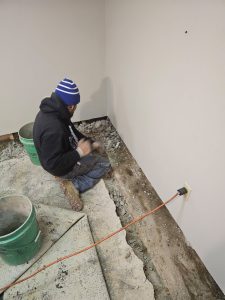 When it comes to protecting your home, understanding the basics of basement waterproofing is essential. It’s not just about preventing water damage, but also about maintaining the structural integrity of your house.
 Why should you consider waterproofing your basement? The answer is simple: It’s an investment in the long-term health of your home.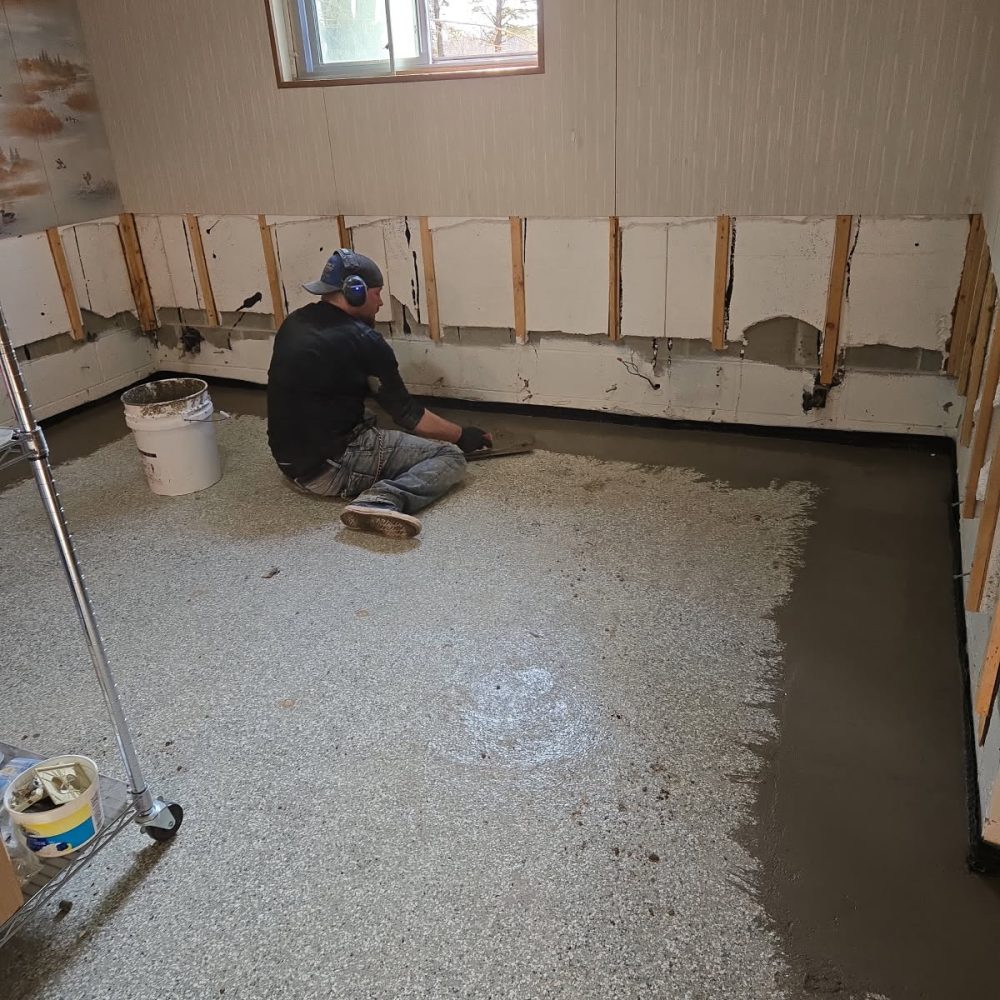
 The Risk of Structural Damage