A bowing, leaning, or horizontal-cracking basement wall is one of the most alarming structural warnings a home in Rochester, Minnesota can display. Driven by heavy clay soil composition, intense freeze-thaw expansion cycles, and poor surface drainage, expansive earth surrounding your home exerts thousands of pounds of lateral force against foundation walls. Left unchecked, a bowing foundation wall will eventually shear, collapse inward, and cause catastrophic damage to your home’s structural stability and equity.
When addressing structural foundation failure, engineering solutions generally fall into two categories: wall anchors (or braces) to counteract lateral soil movement, and piering systems to correct vertical foundation settlement. Understanding the costs, applications, and installation methods of each approach will help you choose the right fix for your foundation.
Understanding the Forces Behind Bowing Basement Walls
Foundation walls fail when external forces exceed the load-bearing strength of concrete block or poured concrete walls. In Southeast Minnesota, expansive clay soil acts like a sponge, swelling drastically when saturated during spring thaws and autumn storms. This creates heavy hydrostatic and lateral earth pressure against basement walls.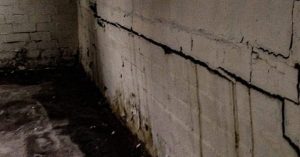
Common visual indicators of structural failure include:
- Horizontal Cracking: Fractures running along mortar joints, typically 3 to 5 feet off the basement floor.
- Stair-Step Cracking: Diagonal cracking along masonry blocks near foundation corners.
- Inward Deflection (Bowing): The middle of the basement wall belly-bowing or tilting inward at the top joint.
- Vertical Settlement: Cracks in exterior brickwork, unlevel floors, and doors or windows sticking upstairs.
Wall Anchor Systems: Stopping & Straightening Bowing Walls
Wall anchors are the industry-standard structural fix for walls bowing inward due to lateral earth pressure. They leverage the stable soil in your lawn to anchor and pull the failing wall back into place.
How Wall Anchors Work
A technician drills a small hole through your basement wall and drives a steel anchor rod deep into rigid soil 12 to 15 feet out into your yard. An exterior earth anchor plate is buried in the lawn, and an interior heavy-duty steel plate is secured inside the basement. By tightening the anchor rod, the system immediately stabilizes the wall against further inward movement and can often be torqued over time to pull the wall back toward plumb.
When Alternative Bracing Is Used
If outdoor space is limited by property lines, decks, or concrete driveways, alternative mechanical braces are applied:
- Carbon Fiber Straps: Aerospace-grade Kevlar/carbon fiber straps epoxied to interior block walls. Best for minor bowing (under 2 inches of deflection).
- Steel I-Beam Braces: Heavy steel beams custom-fit against the inside wall and anchored to floor joists and concrete slabs. Best for moderate to severe bowing when exterior excavation is restricted.
Wall Anchor & Bracing Costs
- Carbon Fiber Wall Straps: $4,000 to $8,000
- Steel I-Beam Wall Braces: $5,000 to $12,000
- Wall Anchor Systems: $6,000 to $14,000 (typically $800 to $1,500 per anchor installed)
Piering Systems: Correcting Sinking Foundations
While wall anchors solve horizontal lateral pressure, piering systems solve vertical foundation settlement. If one corner or side of your home is sinking due to unstable subsoil or soil voids, piering lifts and locks the structure onto stable bedrock.
How Piering Works
High-strength steel shafts—either helical piers (screwed into soil like corkscrews) or resistance push piers—are hydraulically driven through unstable topsoil deep beneath your foundation footings until they reach load-bearing stratum or bedrock. Heavy steel brackets attached to the footings allow technicians to hydraulically lift the home back to its original level position and lock it permanently in place.
Piering Repair Costs
- Cost Per Pier Installed: $1,500 to $3,000 per pier
- Average Residential Project Cost: $10,000 to $25,000+ (depending on the number of piers required)
Piering vs. Wall Anchor System Comparison
| Feature / Metric | Wall Anchor & Bracing Systems | Helical / Push Piering Systems |
|---|---|---|
| Primary Problem Solved | Inward wall bowing & horizontal movement | Vertical foundation sinking & settlement |
| Average Cost Range | $5,000 – $14,000 | $10,000 – $25,000+ |
| Installation Location | Interior basement wall & lawn anchor points | Directly beneath foundation footings |
| Structural Outcome | Stabilizes wall & can pull wall back to plumb | Lifts foundation back to level on bedrock |
| Warranty | Transferable lifetime structural warranty | Transferable lifetime structural warranty |
Frequently Asked Questions
Can a bowing basement wall be pushed back to straight?
Yes. By combining exterior excavation along the foundation wall to relieve soil pressure with installed wall anchor systems, structural technicians can pull or push bowing walls back to their original plumb position before securing them permanently.
Will bowing basement walls ruin a home sale in Minnesota?
Unrepaired structural foundation damage must be legally disclosed on Minnesota seller disclosure forms and will almost always prevent buyers from securing FHA or conventional mortgage approval. Installing an engineered, professionally warranted repair system restores 100% of your home’s structural equity and satisfies buyer lender inspections.
How many wall anchors or piers does my home need?
The number of anchors or piers depends on wall length, soil type, and the severity of bowing or settlement. Wall anchors are generally spaced 5 to 6 feet apart along a bowing wall, while piers are placed strategically at load-bearing points around sinking footings.
Schedule Your Free Structural Foundation Inspection
Don’t wait for minor basement wall cracks to turn into expensive structural failures. Contact All-Star Basements today at 507-259-7776 to schedule a comprehensive, no-obligation foundation inspection and custom estimate in Rochester, MN and surrounding areas!

All-Star Basements is Locally Owned and Operated and based out of Rochester, Minnesota. We cover Southern Minnesota including the Twin Cities area, Western Wisconsin and parts of Northeast Iowa. Our team is committed to solving our customers’ basement waterproofing, foundation repair, or crawl space needs and offering multiple solutions to choose from.
As a proud member of the Basement Health Association and the National Waterproof Members of America, we have the best products available to solve your leaky basement, seepage, or flooding issues. Our lineup also includes multiple crawl space solutions.
If you have foundation problems that need any kind of repair, we can help! We feature the nationally renowned Grip-Tite Foundation Systems, which has a long history over 90 years of fixing homeowners’ foundation repair issues- from walls that are buckled, tipping or cracked and bowing.
At All-Star Basements, we are committed to providing multiple solutions to choose from to help fix any basement problem you may have. We are very proud of our Better Business Bureau A+ rating and take great pride in caring for all of our customers’ needs- big or small, we do it all!