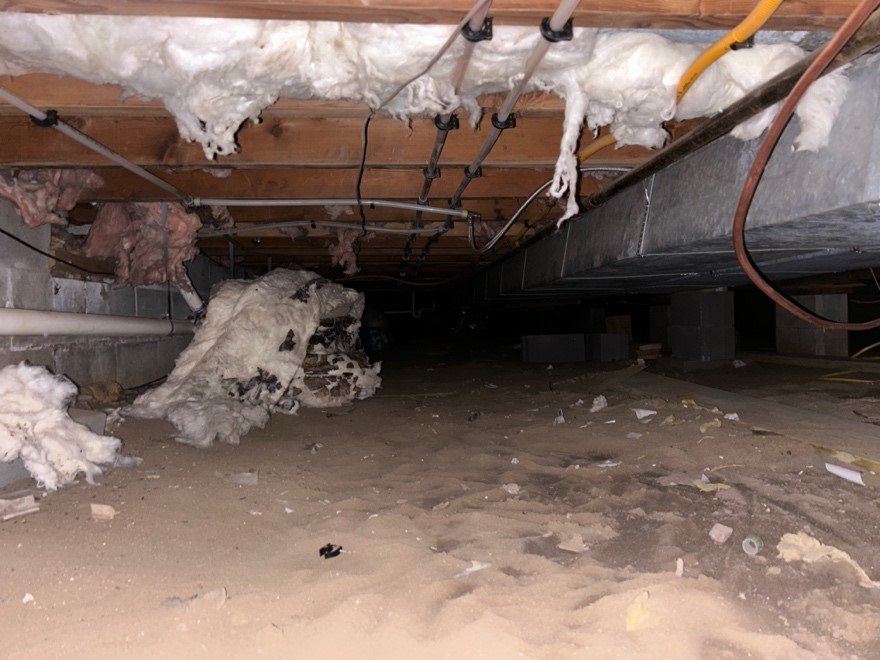
You’ve likely heard about crawl space encapsulation and venting, but do you know the real differences between these two methods? Both could be the answer to maintaining a healthy home environment, but each comes with its own set of benefits and drawbacks. Depending on your climate, budget, and health concerns, one solution might serve you better. So, which one should you choose? Let’s explore the truth about crawl space encapsulation versus venting, and help you make a more informed decision.
Key Takeaways
- Crawl space encapsulation seals the area with a waterproof barrier, enhancing energy efficiency, air quality, and home value.
- Crawl space venting allows air circulation, potentially reducing mold, but its effectiveness is climate-dependent and may increase moisture in humid conditions.
- Encapsulation involves high initial costs, while venting is more cost-effective upfront, though encapsulation may offer better long-term savings.
- Improper encapsulation can lead to moisture trapping and mold growth, while venting can aggravate allergies due to poor indoor air quality.
- The decision between encapsulation vs. venting should consider factors like budget, climate, and long-term health implications.
Understanding Your Crawl Space
 In the world of home maintenance, the crawl space beneath your home is often out of sight and out of mind.
But, don’t let its inconspicuous location fool you. It’s more critical than you think. This often-overlooked area can greatly impact your home’s overall air quality, energy efficiency, and even its structural integrity.
Your crawl space is fundamentally a small, narrow area built directly into the ground under your house.
It’s typically used for utilities access, such as your plumbing and electrical wiring.
But, it’s also a potential entry point for moisture, pests, and even mold, which can lead to a whole host of problems.
What Is Crawl Space Encapsulation?
Given the potential problems your crawl space can invite, it’s important to contemplate protective measures. One such measure you might consider is crawl space encapsulation. But what’s it, exactly?
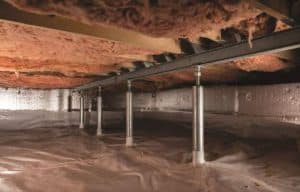
Crawl space encapsulation is a process where your home’s crawl space is completely sealed and isolated from the elements outside. This involves the installation of a heavy-duty polyethylene barrier, or vapor barrier, to cover the crawl space floor, foundation walls, and possibly even the ceiling.
It’s like creating a protective bubble around your crawl space to keep out moisture, pests, and unfavorable temperatures.
The vapor barrier used isn’t just any plastic but a special material designed to resist punctures and tears. It’s also resistant to mold and mildew, which can wreak havoc in a damp, dark crawl space.
Sealing off vents and doors with airtight covers is another essential step in the encapsulation process. These covers, along with the vapor barrier, work together to create a continuous, unbroken shield against external influences.
Pros of Crawl Space Encapsulation
Take a moment to contemplate the numerous advantages of crawl space encapsulation.
It’s more than just an aesthetic upgrade for your home—it’s an investment in your home’s health and longevity.
First, think about energy efficiency.
Encapsulation seals your crawl space, reducing the amount of air leakage from your home. You’ll see this reflected in your utility bills as your HVAC system won’t have to work as hard to maintain a comfortable temperature.
Next, consider the improved air quality.
Encapsulation prevents the growth of mold and mildew which thrive in damp, unsealed spaces. By sealing off your crawl space, you’re protecting your home from these allergens, creating a healthier living environment for you and your family.
Think too about the added value to your property.
A properly encapsulated crawl space is a selling point, signaling to potential buyers that the home has been well-maintained.
Finally, encapsulation protects your home’s foundation.
By keeping moisture out, it guards against the damaging effects of water, like wood rot and structural instability.
In essence, encapsulation is a way of fortifying your home, enhancing its efficiency, and safeguarding your family’s health.
Cons of Crawl Space Encapsulation
While crawl space encapsulation has its benefits, it’s also important to contemplate the downsides.
You could face a high initial installation cost, potential moisture trapping, and the requirement of regular maintenance.
Let’s take a closer look at these challenges to help you make an informed decision.
High Initial Installation Cost
You might be taken aback by the initial cost of crawl space encapsulation. It’s not uncommon for homeowners to balk at the price tag, which can be considerably higher than the cost of traditional venting.
It’s no secret that a thorough encapsulation project requires a significant financial commitment. But before you dismiss it outright, it’s important to understand why.
Firstly, the materials used for encapsulation are of higher quality, leading to increased costs. The vapor barrier, for instance, is a thick, durable plastic sheeting that’s designed to last.
Then there’s the dehumidifier, a necessary component in maintaining a dry, mold-free environment. Quality units aren’t cheap, but they’re essential for the system’s effectiveness.
Secondly, professional installation is recommended. Encapsulation isn’t a simple DIY project. It requires expertise and precision to guarantee no gaps or tears occur in the vapor barrier and the space is properly sealed.
This labor-intensive process contributes to the overall cost.
Potential Moisture Trapping
One potential downside of crawl space encapsulation is the risk of trapping moisture. If you enclose your crawl space without a proper moisture barrier or dehumidifier, you’re inviting a host of problems.
Moisture can lead to mold growth, which not only compromises the structural integrity of your home but also poses serious health risks.
Water vapor can also get trapped inside your encapsulated crawl space. It’ll condense against the cooler surfaces, creating the perfect environment for rot and insects.
If not addressed, these issues can wreak havoc on your home’s foundation and overall structural stability.
When considering crawl space encapsulation, it’s vital that you understand the potential for moisture trapping. It’s not a foolproof solution—it requires careful planning and execution.
When done right, encapsulation can keep your crawl space dry and healthy. But if it’s done wrong, you might be dealing with more than just a damp crawl space. You could be looking at serious damage to your home and a significant financial impact.
Regular Maintenance Required
Another potential downside of crawl space encapsulation is the regular maintenance it requires.
Now, don’t get me wrong. Maintenance is necessary for any home improvement project, but encapsulation might need just a bit more.
- Routine Inspections: You’ll need to check the encapsulation frequently for tears, water leaks, or mold growth. If unnoticed, these issues can lead to significant problems down the line.
- Cleaning: Over time, dust and dirt may accumulate on the vapor barrier. It’s crucial to clean it periodically to maintain its effectiveness.
- Repairs: If you find any damage during your inspections, repairs are a must. Ignored issues won’t just disappear; they’ll get worse.
- Professional Servicing: Occasionally, you might need to hire a professional to assess the health of your encapsulation. It’s an added cost, but it can save you money in the long run by catching potential problems early.
What Is Crawl Space Venting?
Crawl space venting, a traditional method of managing moisture, often sparks a debate among homeowners.
But what exactly is it? Let’s get into the details.
Essentially, crawl space venting is a technique that allows outside air to circulate through the crawl space under your house. This is achieved by installing vents in the walls of the crawl space, which create a pathway for air to enter and leave the space.
The theory behind this method is simple: by allowing fresh air to circulate, it will help evaporate any moisture that may have accumulated, decreasing the chance of mold and mildew growth.
It’s important to note, however, that crawl space venting isn’t a one-size-fits-all solution.
The effectiveness of crawl space venting can depend on a variety of factors, including the climate where you live and the design of your home.
For instance, in humid climates, venting can actually increase moisture levels, which is counterproductive.
Pros of Crawl Space Venting
Despite its potential drawbacks, your home’s crawl space venting system can offer important benefits. One of the primary advantages is moisture management. Venting helps to mitigate the buildup of moisture, which can lead to mold growth and structural damage over time.
But there’s more. Here’s a rundown of four key benefits that crawl space venting can bring to your home:
- Improved Air Circulation: Venting your crawl space can greatly increase air circulation. This helps to prevent stale, damp air from lingering beneath your home and creating a breeding ground for mold and mildew.
- Reduced Odor: By promoting airflow, crawl space venting can also help to combat the musty odors often associated with damp, enclosed spaces.
- Pest Management: Venting can make your crawl space less hospitable to pests. It can deter critters like rodents and bugs, who prefer the damp, stagnant conditions that can be common in unvented crawl spaces.
- Lower Energy Costs: Believe it or not, a well-vented crawl space can actually contribute to lower energy costs. It can help to maintain a more consistent temperature beneath your home, reducing the strain on your HVAC system.
Cons of Crawl Space Venting
So, what’s the downside to crawl space venting? Well, while venting can moderate temperature and humidity, it’s not a foolproof solution.
Sure, it can help on dry, cool days, but what about when it’s hot and humid, or when it’s freezing outside?
When it’s hot and humid, venting can actually increase the humidity in your crawl space. The warm, moist air from outside enters your crawl space and when it cools down, it can condense, leading to a damp, moldy environment. This can cause structural damage and health issues related to mold and mildew.
On the other hand, in the winter, venting can make your crawl space cooler than it should be. This can lead to frozen pipes and higher heating costs as your house struggles to stay warm. It’s also a prime opportunity for pests to make your crawl space their winter home.
Venting also doesn’t effectively address radon gas, a harmful, odorless gas that can accumulate in crawl spaces.
Cost Comparison: Encapsulation vs. Venting
With the drawbacks of venting in mind, you might be wondering about the costs involved in crawl space encapsulation as an alternative. Let’s break it down.
- Initial Costs: Encapsulation might seem pricier upfront, with costs ranging from $5,000 to $15,000, depending on your home’s size and condition.
Venting, on the other hand, might only set you back $300 to $500 per vent.
- Maintenance Costs: Venting can lead to moisture problems that require pricey repairs down the line.
Encapsulation, however, mostly requires a one-time investment.
- Energy Costs: Encapsulation can also save you money on energy bills.
It’s estimated that encapsulation can reduce energy costs by 15-25%.
Venting, conversely, can increase energy costs due to constant air exchange.
- Longevity: Encapsulated crawl spaces typically last longer with less maintenance, meaning you’ll save in the long run.
When you weigh these factors, you’ll see that encapsulation could be a more cost-effective solution in the long run.
Sure, the initial investment may be higher, but the potential savings and reduced headaches down the line can make it worth it.
Make a wise choice based on your budget and long-term plans.
Health Implications of Your Choice
After making your decision based on cost, it’s time to contemplate another significant factor: your health. The method you choose in dealing with your crawl space, whether encapsulation or venting—can directly impact your well-being.
If you opt for venting, you’re fundamentally inviting the outside air in. This includes moisture, mold spores, and dust mites—all of which can aggravate allergies and asthma, and contribute to poor indoor air quality.
It’s essential to recognize, though, that proper venting can minimize these risks.
On the other hand, encapsulation seals off your crawl space from the outside, dramatically reducing these health risks. By creating a barrier with a vapor retarder, it helps control humidity levels, thereby preventing the growth of mold and the invasion of pests.
However, encapsulation isn’t entirely risk-free. Improper installation can lead to trapped moisture and subsequent mold growth.
In summary, both choices carry potential health implications. It’s vital to understand these implications and how they can affect you and your family.
Making an Informed Decision
You’ve explored the health implications of your choice between crawl space encapsulation and venting.
Now, let’s move onto making an informed decision.
We’ll discuss understanding crawl space encapsulation, the venting process, and the comparison between the two.
Understanding Crawl Space Encapsulation
Crawl space encapsulation might seem like a home-improvement buzzword, but it’s a crucial process that can greatly affect your home’s comfort and efficiency. You might be wondering what it entails and how it can impact your home. Let’s break it down.
Firstly, crawl space encapsulation is fundamentally sealing your crawl space to prevent moisture from seeping into your home. It’s a process that involves lining your crawl space with a durable, waterproof barrier. This not only keeps moisture out but also makes your home more energy-efficient.
Here are four key benefits of crawl space encapsulation to give you a clearer understanding:
- Improved air quality: By reducing moisture, you’re less likely to have mildew and mold, which can harm your family’s health.
- Energy efficiency: Less humidity means your HVAC system doesn’t have to work as hard, saving you money.
- Protection of home structure: Encapsulation prevents wood rot and structural damage caused by moisture.
- Increased home value: A well-maintained, energy-efficient home is more appealing to potential buyers.
Knowing this, you’re closer to making an informed decision on whether crawl space encapsulation is right for your home.
 The Venting Process
Let’s now turn our attention to the venting process. It’s an older method of managing crawl space moisture that involves installing vents around the perimeter of your crawl space. These vents allow outdoor air to flow in and out, theoretically keeping the area dry. However, it’s not always that simple.
Reflect on this: If you’re in a humid climate, the venting method could backfire. The humid outdoor air, when it enters your crawl space, can condense, leading to increased moisture levels—not less. It’s not just about installing vents and hoping for the best. You’ve got to take into account your location, climate, and the specific conditions of your home.
Here’s a quick rundown of the venting process:
| Step | Description | Considerations |
|---|---|---|
| 1 | Install Vents | Adequate number and proper placement |
| 2 | Monitor Humidity Levels | Use a hygrometer |
| 3 | Adjust Vent Openings | Depending on the season and weather conditions |
| 4 | Regular Inspection | Check for signs of moisture or damage |
Encapsulation vs. Venting
When it comes to managing moisture in your crawl space, making an informed decision between encapsulation and venting is essential. Both methods have their pros and cons, and the best choice depends on your specific situation.
- Crawl space Encapsulation: This method completely seals off your crawl space from the outside, reducing the chance of moisture buildup.
It’s more expensive, but it provides long-term protection against mold, pests, and structural damage.
- Crawl space Venting: Venting is cheaper and easier to install.
However, it’s not as effective at controlling moisture, especially in humid climates. You’re also likely to face higher energy costs due to air leakage.
You need to weigh these factors against each other.
Think about your budget, the climate you live in, and how much you’re willing to invest in your home’s long-term health.
In the end, it’s your decision, crawl space encapsulation or venting. Consider your budget, local climate, and health factors. Encapsulation offers energy efficiency and improved air quality, albeit at a higher cost. Venting can be beneficial in some climates, but may increase humidity and mold. It’s about making an informed choice for your home. Remember, a healthier crawl space means a healthier home for you and your family.

All-Star Basements is Locally Owned and Operated and based out of Rochester, Minnesota. We cover Southern Minnesota including the Twin Cities area, Western Wisconsin and parts of Northeast Iowa. Our team is committed to solving our customers’ basement waterproofing, foundation repair, or crawl space needs and offering multiple solutions to choose from.
As a proud member of the Basement Health Association and the National Waterproof Members of America, we have the best products available to solve your leaky basement, seepage, or flooding issues. Our lineup also includes multiple crawl space solutions.
If you have foundation problems that need any kind of repair, we can help! We feature the nationally renowned Grip-Tite Foundation Systems, which has a long history over 90 years of fixing homeowners’ foundation repair issues- from walls that are buckled, tipping or cracked and bowing.
At All-Star Basements, we are committed to providing multiple solutions to choose from to help fix any basement problem you may have. We are very proud of our Better Business Bureau A+ rating and take great pride in caring for all of our customers’ needs- big or small, we do it all!