A dry basement is the cornerstone of a healthy, stable home. For homeowners, understanding the nuances of basement waterproofing is not just about avoiding a few puddles after a rainstorm; it is about preserving the structural integrity of your property and ensuring the air quality inside your living space remains safe. At All-Star Basements, we recognize that water is a persistent force, and without a comprehensive defense system, your foundation is at risk.
Why Basement Waterproofing Is Essential for Homeowners
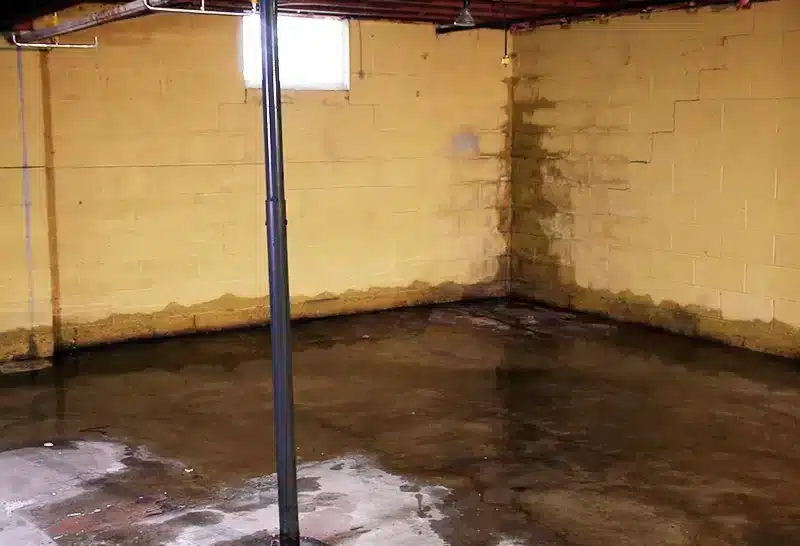
Water can enter a basement through several avenues, including wall cracks, floor cracks, and the “cove joint” where the floor and wall meet. When hydrostatic pressure builds up in the soil surrounding your home, it pushes moisture through these porous concrete surfaces.
Ignoring these early signs of moisture can lead to catastrophic results. Over time, persistent dampness weakens the concrete, causes metal reinforcements to rust, and can even lead to foundation bowing. Furthermore, a wet basement is the primary breeding ground for mold and mildew, which can trigger respiratory issues for your family. By investing in professional basement waterproofing, you are effectively creating a seal that keeps your home’s value high and your environment healthy.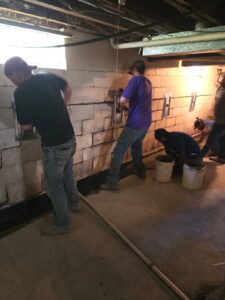
Modern Methods of Interior and Exterior Waterproofing
When it comes to keeping water out, there are two primary schools of thought: managing the water from the outside or managing it from the inside. Both have distinct advantages depending on the specific geography and construction of your home.
Exterior Waterproofing Solutions
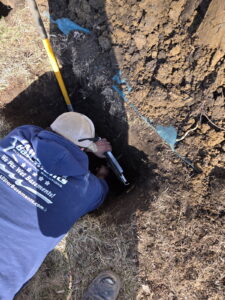
Exterior waterproofing is often considered the first line of defense. This process involves excavating the soil around the foundation down to the footer. A waterproof membrane or specialized coating is then applied to the exterior walls. This prevents water from ever touching the concrete. While this method is highly effective, it is often more labor-intensive and expensive due to the excavation required. It is an excellent choice for new constructions or homes undergoing major landscape renovations.
Interior Drainage Systems
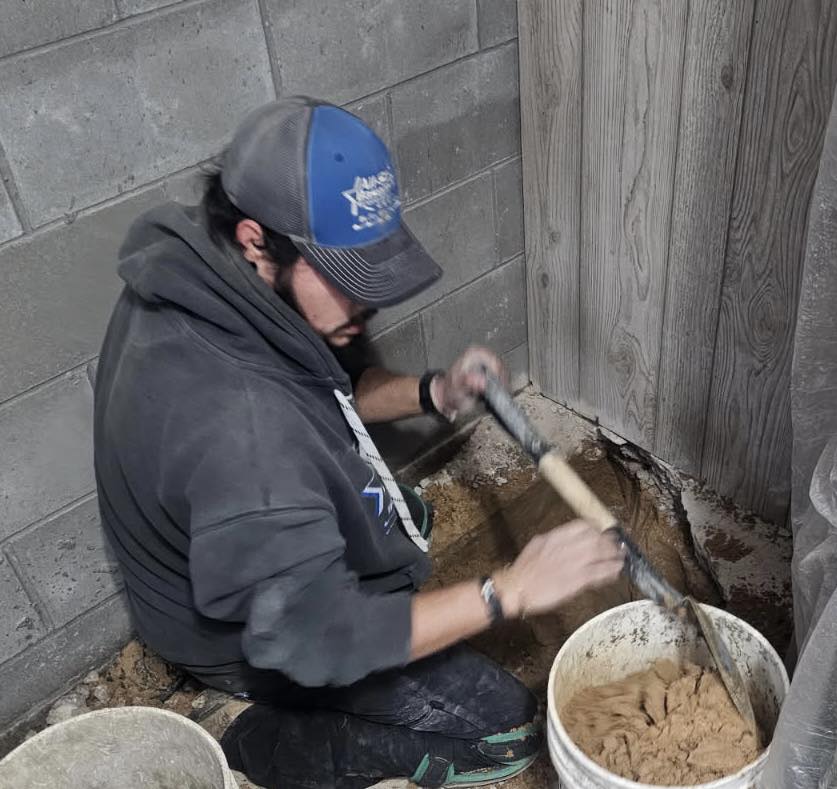
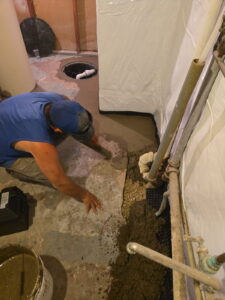
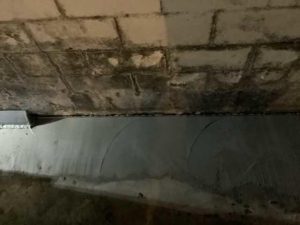
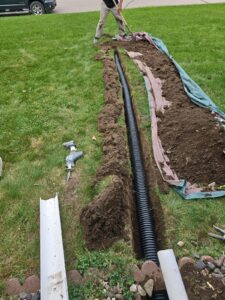
For many existing homes, interior basement waterproofing is the most efficient and cost-effective solution. This typically involves installing an internal drainage track along the perimeter of the basement floor. This track collects water that seeps through the walls or the cove joint and directs it toward a sump pump system. The sump pump then discharges the water safely away from the foundation. This method is highly popular because it addresses the water pressure directly beneath the floor, preventing the “heaving” that causes cracks.
The Role of the Sump Pump in Your Waterproofing Strategy
You cannot discuss basement waterproofing without mentioning the heart of the system: the sump pump. A high-quality sump pump is your final insurance policy against flooding. At All-Star Basements, we recommend a dual-pump system that includes a primary pump and a battery-operated backup.
During severe storms, power outages are common. If your primary pump loses power, the battery backup takes over, ensuring that your basement stays dry even when the lights go out. Regular maintenance of this system is vital. Checking the float switch and clearing any debris from the basin can mean the difference between a dry floor and an expensive cleanup.
Understanding Hydrostatic Pressure and Soil Content
 The science behind basement waterproofing often comes down to the soil. Clay-rich soils retain more water, leading to higher hydrostatic pressure against your basement walls. When the ground becomes saturated, the water has nowhere to go but toward your foundation.
If your home lacks proper grading—meaning the ground slopes toward the house instead of away from it—you are essentially inviting water to settle against your walls. Professional waterproofing experts look at the entire ecosystem of your yard, including gutter discharge and soil composition, to design a system that relieves this pressure before it causes damage.
Signs You Need Professional Waterproofing Immediately
Many homeowners wait until they see standing water to call for help, but there are more subtle signs that indicate your basement is under stress:
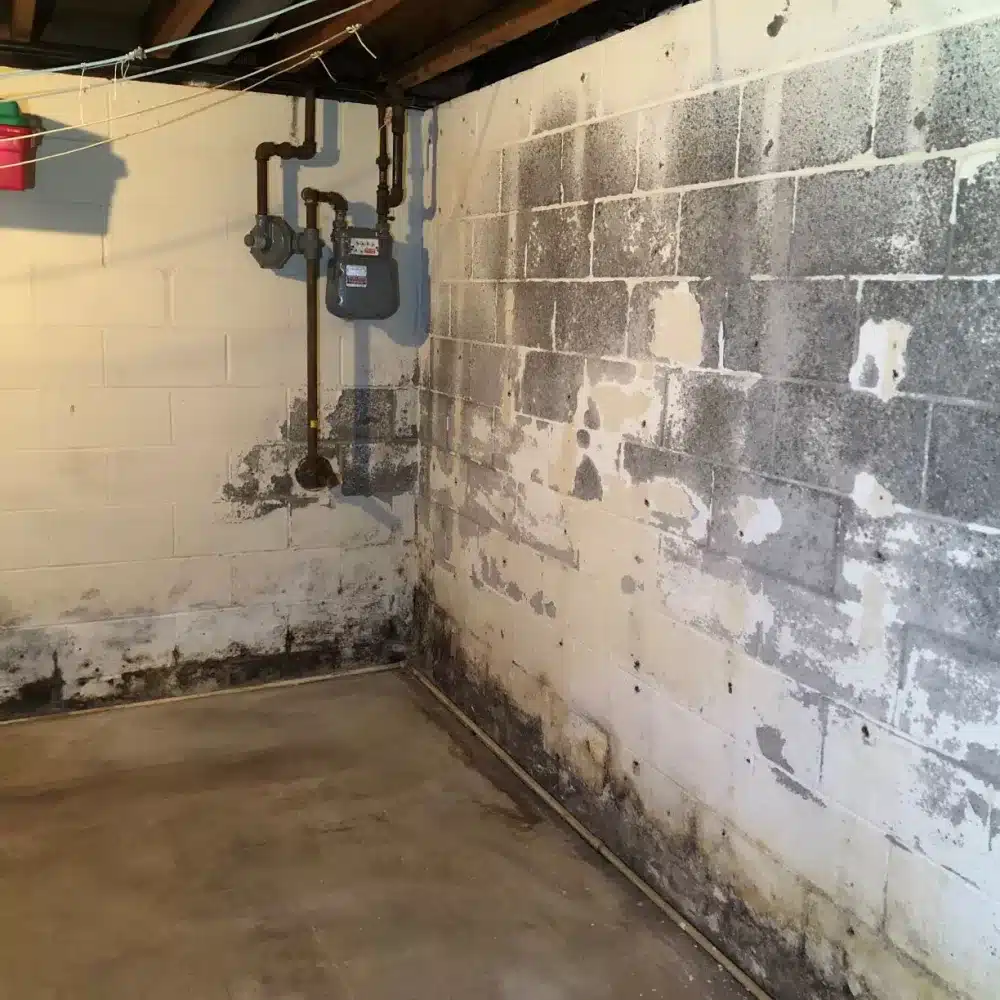
Efflorescence: A white, powdery substance on the walls caused by mineral deposits left behind by evaporating water.
Musty Odors: That “old basement” smell is almost always an indicator of mold or mildew growth hidden behind walls or under flooring.
Flaking Paint: If the paint on your concrete walls is bubbling or peeling, moisture is pushing through from the outside.
Small Wall Cracks: Even hairline cracks can allow significant amounts of water vapor to enter, increasing the humidity of the entire home.
FAQ Section
Why is basement waterproofing important?
Basement waterproofing helps prevent moisture intrusion, mold growth, poor indoor air quality, and structural foundation damage caused by long-term water exposure.
What are common signs a basement needs waterproofing?
Common signs include musty odors, wall cracks, peeling paint, white mineral deposits, excess humidity, and standing water.
How do sump pumps help waterproof basements?
Sump pumps collect and redirect groundwater away from the foundation, helping keep basements dry during heavy rainfall or flooding.
Is interior waterproofing effective?
Interior drainage systems are often highly effective for existing homes because they manage water pressure beneath the basement floor and channel moisture safely away.
Can basement moisture affect indoor air quality?
Yes. Persistent moisture encourages mold and mildew growth, which may contribute to respiratory discomfort and poor indoor air conditions.
Take Action with All-Star Basements
Your home is likely your largest investment. Protecting it starts from the ground up. Effective basement waterproofing provides peace of mind, improved air quality, and a usable space that adds square footage to your life. Whether you are dealing with a damp corner or a flooded floor, the experts at All-Star Basements have the technical knowledge to provide a permanent solution tailored to your home’s unique needs.
All-Star Basements is Locally Owned and Operated and based out of Rochester, Minnesota. We cover Southern Minnesota including the Twin Cities area, Western Wisconsin and parts of Northeast Iowa. Our team is committed to solving our customers’ basement waterproofing, foundation repair, or crawl space needs and offering multiple solutions to choose from.
As a proud member of the Basement Health Association and the National Waterproof Members of America, we have the best products available to solve your leaky basement, seepage, or flooding issues. Our lineup also includes multiple crawl space solutions.
If you have foundation problems that need any kind of repair, we can help! We feature the nationally renowned Grip-Tite Foundation Systems, which has a long history over 90 years of fixing homeowners’ foundation repair issues- from walls that are buckled, tipping or cracked and bowing.
At All-Star Basements, we are committed to providing multiple solutions to choose from to help fix any basement problem you may have. We are very proud of our Better Business Bureau A+ rating and take great pride in caring for all of our customers’ needs- big or small, we do it all!
 Understanding Efflorescence
 While you might think that waterproofing your basement is a straightforward task, it’s essential to understand that it’s a process that involves numerous steps and considerations.
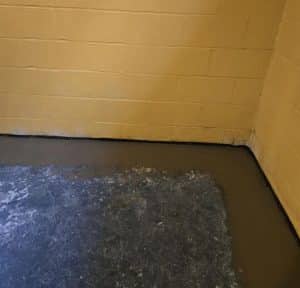 While waterproofing paint is a vital player in your basement’s defense against moisture, it’s just one piece of the puzzle. You shouldn’t rely solely on this single solution, as there are other essential measures to take into account when aiming for a fully waterproofed basement.
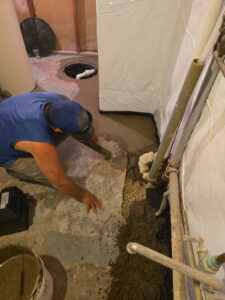 Before you even think about waterproofing, the first step is to clear your basement space. It’s not as intimidating as it sounds, so don’t let the thought of it scare you away. You’ve got this.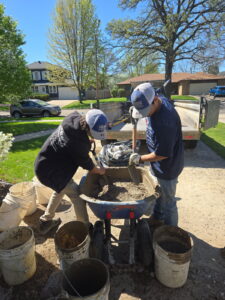
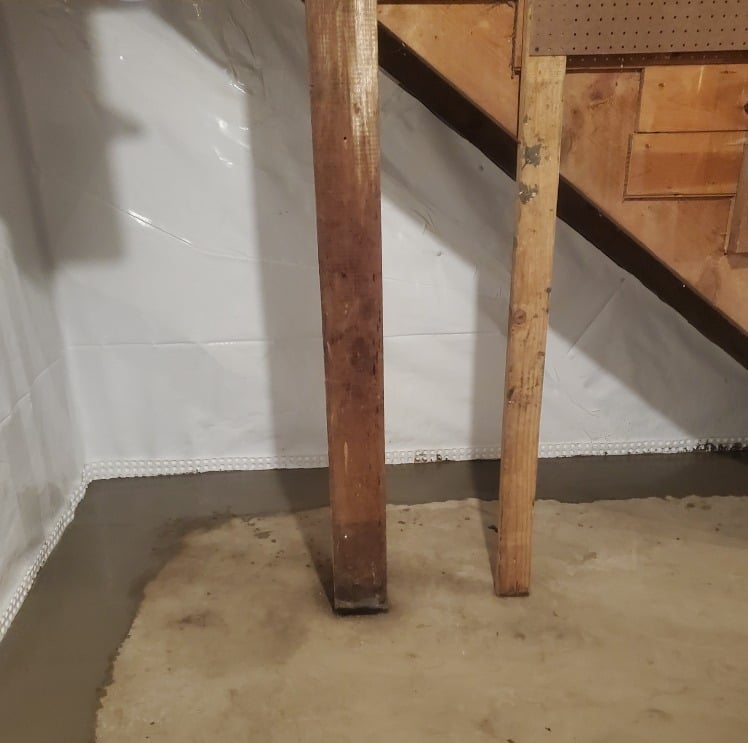
 Before you plunge into the world of
  Maneuvering the world of basement waterproofing kits can be like walking through a minefield. It’s easy to make a misstep and find yourself faced with a bigger problem than you started with. The risk of misapplication is one of the major pitfalls you may encounter.