
You’ve invested in a beautiful property, complete with lush trees and a sturdy home. But did you know those same trees can potentially harm your home’s foundation? Tree roots can expand, pushing against and even into your foundation, causing significant damage over time. From planting the right trees to installing root barriers, there are ways to mitigate these risks. But just how do you recognize early signs of damage, and what can you do about it once it’s started? Let’s explore this together, so you can continue to enjoy your green oasis without compromising your home’s integrity.
Key Takeaways
- Plant trees at a safe distance from your house, with small trees at least 10 feet away, and larger trees 30 feet away.
- Regularly inspect and prune trees near your house to control growth and root expansion.
- Install root barriers around trees or along property lines to prevent root intrusion into the foundation.
- Choose native or drought-resistant trees with less aggressive root systems to minimize risk of foundation damage.
- Seek professional inspection and assessment to identify potential threats from tree roots and implement necessary foundation repair techniques.
Understanding Tree Root Behavior
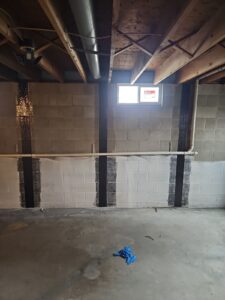 Tree root growth, a natural phenomenon, can become a homeowner’s nightmare if not properly managed. Root systems, like those of your beloved backyard trees, are complex networks seeking moisture and nutrients. They spread outwards, often far beyond the tree’s canopy, effectively competing for resources.
The root spread is influenced by various factors such as soil type, moisture absorption, and tree species. Some trees have aggressive root systems that can cause soil compaction, disrupting the soil structure and affecting other plants’ growth.
While others, with their deep or wide root systems, can pose a real threat to your home’s foundation. Seasonal changes also play a crucial role in root growth. During dry spells, roots may extend further in search of water, increasing the risk for your foundation.
Similarly, during the rainy season, excess moisture can lead to quick root growth and expansion. Knowing your tree species and understanding their root behaviour can help you manage potential risks.
Regularly evaluate tree health and monitor changes in the root system, soil moisture, and compaction levels. Awareness of these aspects can prevent unwelcome surprises, ensuring your foundation remains undamaged.
Early Signs of Foundation Damage
While understanding tree root behavior can help you manage potential risks, seeing the initial signs of foundation damage is equally valuable. The sooner you notice these signs, the quicker you can act to prevent further deterioration.
So, what’re the early indications you need to be on the lookout for? Cracked walls often act as the first red flag. If you’re seeing hairline fractures or larger, more noticeable cracks, this could be a sign that tree roots are interfering with your foundation. Don’t overlook those cracks; they’re sending you a clear message.
Uneven floors are another sign. Have you noticed an unusual slope in your living room floor? Or perhaps you’ve been tripping over a raised section of your kitchen tiles? These aren’t just minor inconveniences, they’re warning signals that your foundation may be under threat.
Choosing the Right Trees
To mitigate the risk of foundation damage, selecting the right trees for your yard is crucial. The process isn’t as simple as choosing a tree you like; it involves meticulous planning and research.
Consider native tree selection first. These trees are more likely to thrive in your local soil and weather conditions. You should also look into drought-resistant varieties. These trees require less water, reducing the chances of roots spreading towards your home in search of moisture.
Tree size considerations are vital too. Smaller trees are usually less likely to cause foundation issues, but you also need to think about your soil type compatibility. Some trees prefer sandy soils, while others thrive in clay.
Be mindful of seasonal growth patterns. Some trees grow fast in spring and summer, which might cause problems if they’re too close to your house. Understanding these patterns can help you anticipate and prevent potential issues.
You can’t ignore invasive species awareness. Some trees have aggressive roots that can damage your foundation, so it’s wise to avoid them.
Lastly, don’t forget to assess the aesthetic value and consider the long-term growth impact. The right tree can enhance your property’s beauty and value while ensuring your home’s safety.
Safe Planting Distance From House
Planting your new tree at a safe distance from your home is a critical step.
You’ve chosen a safe species, following the best planting guidelines, but now you need to consider how far to place it from your house.
The exact distance is dependent on the type of tree, but as a rule of thumb, small trees should be at least 10 feet away, medium trees need 20 feet of separation, and large trees require a whopping 30 feet from your home.
This might seem excessive, but remember, tree roots can grow far and wide, potentially causing serious damage to your home’s foundation.
To make this easier, here’s a quick list to refer back to:
- Small Trees: Minimum 10 feet from house
- Medium Trees: Minimum 20 feet from house
- Large Trees: Minimum 30 feet from house
Regular Tree Maintenance
Now let’s shift our focus to regular tree maintenance, a critical factor in safeguarding your home’s foundation.
You’ll need to understand routine pruning procedures and the significance of root barrier installation.
Let’s break it down step by step, so you know exactly what to do to keep your trees healthy and your foundation secure.
Routine Pruning Procedures
Regular maintenance of your trees can go a long way in protecting your foundation from damage.
Routine pruning is an essential part of this maintenance and drastically improves tree health. By using proper pruning techniques, you’re not only enhancing the aesthetics of your landscape, but also safeguarding your foundation.
Incorporate these three pruning procedures into your maintenance routine:
- Crown Thinning: This involves removing select branches to enhance light penetration and air movement. It’ll stimulate a healthier growth, keeping the tree robust and less likely to topple.
- Crown Raising: By removing the lower branches, you’re preventing trees from impeding walkways or blocking vision. It also discourages root growth towards your house.
- Crown Reduction: This means reducing the size of the tree, especially if it’s grown too large for its location. Remember, the key is to retain the tree’s natural form.
Root Barrier Installation
Ever wondered how you can further secure your foundation from menacing tree roots? Let’s dive into root barrier installation, a highly effective method in your regular tree maintenance regime.
Different root types, such as those from oak or maple trees, can penetrate your foundation in various ways. Hence, it’s crucial to understand the type of roots you’re dealing with before proceeding.
Once you’ve identified the root type, you can now choose the appropriate barrier material. Barrier materials range from metal, plastic, and even fabric. You’re not restricted to one type; you can mix and match according to your needs.
Metal is sturdy and long-lasting but can be costly. Plastic is cost-effective and easy to install, but may not last as long. Fabric, on the other hand, allows water and nutrients to pass through while blocking roots.
After deciding on the material, install the barrier about 3-4 feet deep to effectively block the roots. Ensure it extends beyond the drip line of the tree to prevent roots from growing around it.
Root Barriers: A Solution
Now, let’s explore root barriers as a solution to foundation damage.
You may be wondering what root barriers are and how they can protect your home.
Don’t worry, we’ll guide you through understanding and properly installing these barriers, step by step.
Understanding Root Barriers
While it might seem like a challenge, understanding root barriers can be your first defensive line against foundation damage caused by tree roots.
These barriers are designed to redirect the growth of tree roots, protecting your home’s foundation from potential damage.
There are three key things you need to know about root barriers:
- Root systems: Root barriers work by controlling the growth direction of a tree’s root system. They don’t stop roots from growing, but instead redirect them away from your home.
- Barrier materials: Root barriers are typically made from plastic, metal, or sometimes fabric. These materials are sturdy enough to withstand the pressure from tree roots and effectively reroute them.
- Barrier depth: The depth of the root barrier is crucial. It must be deep enough to intercept the tree roots, typically at least 18 to 24 inches.
Installing Root Barriers Properly
You might think that installing root barriers is a complex task, but it’s actually quite straightforward when you know the steps. The first thing you’ll need to do is choose your root barrier materials. They come in various types, including plastic, fabric, or metal. The choice depends on your specific needs and the type of tree you’re dealing with.
Next, you should determine the depth and width of the trench you’ll dig. This is crucial as it has a direct impact on the effectiveness of the root barrier. Remember, it’s important to install the barrier deep enough to prevent the tree roots from growing underneath it.
Now, let’s talk about installation techniques. Start by digging a trench around the tree or along the property line where you want to install the barrier. Once the trench is ready, place the root barrier material into the trench, making sure it’s upright.
Then, backfill the trench with soil, ensuring the barrier is snugly fit into place. Remember to overlap the ends of the barrier if you’re using more than one piece. This step is critical to create a continuous barrier against the invading roots.
With these steps, you’ll effectively protect your foundation from tree root damage.
Professional Tree Root Inspection
Ensuring the health of your property’s foundation requires a professional tree root inspection. This examination is crucial in diagnosing potential threats to your foundation from invasive tree roots. You can’t afford to overlook this step.
Professional assessments aren’t your everyday DIY project. They’re carried out by experts who’ve a keen eye for tree root identification. They can spot problems you might miss.
Here’s what they focus on:
- Determining the Tree Species: Different trees have different root systems. Some are more invasive than others. Identifying the tree species is the first step in understanding potential root problems.
- Assessing Tree Health: A sick or dying tree can pose a significant risk. Its roots might grow uncontrollably in search of water, thereby damaging your foundation.
- Evaluating Root Proximity: Professionals assess how close the tree’s roots are to your home. The closer they are, the higher the risk.
 Repairing Existing Foundation Damage
What’s next if you discover that foundation damage has already occurred due to invasive tree roots?
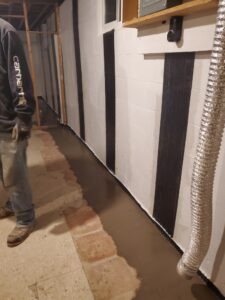
Don’t panic, you’ve got options. The first step is assessing damage. This involves a thorough examination of your foundation to determine the extent of the damage and the most effective repair method. Look for signs such as cracking, bowing, and sinking.
Once you’ve assessed the damage, it’s time to explore foundation repair techniques. Depending on your situation, you might need to go for underpinning, the process of strengthening and stabilizing the foundation. This technique is often used when tree roots have caused significant soil displacement.
Alternatively, you may consider piering, where steel posts are driven through unstable soil. This technique is highly effective when dealing with expansive soil issues caused by tree roots.
Frequently Asked Questions
What Are the Potential Costs Associated With Foundation Damage From Tree Roots?
You could be looking at a hefty bill if tree roots damage your foundation.
Repair costs can soar into tens of thousands, depending on the extent of the damage.
However, you can save significantly by employing prevention strategies.
Regular inspections, proper tree placement, and root barriers can help you avoid such a financial burden.
Are Certain Types of Foundations More Susceptible to Tree Root Damage?
Yes, certain types of foundations are more susceptible to tree root damage.
Slab foundations, being closer to the ground, can be more vulnerable. Tree root systems can easily grow under them, causing cracks or upheaval.
Conversely, pier and beam foundations are elevated, making them less likely to be damaged. However, they’re not immune.
You should still monitor root growth to ensure it doesn’t threaten your home’s stability.
Can Homeowners Insurance Cover Tree Root Foundation Damage?
You can check your homeowner’s insurance policy to see if it covers tree root foundation damage.
Every policy has different coverage limitations, so it’s important to understand what’s included. Often, standard policies don’t cover this type of damage as they consider it a result of neglect.
However, you might be able to purchase additional coverage. It’s best to discuss this with your insurance agent to ensure you’re fully protected.
What Other Elements in Nature Can Cause Similar Foundation Damage?
Apart from tree roots, other natural elements like soil erosion and water drainage can cause similar foundation damage.
Poor water drainage can lead to soil erosion, which destabilizes your foundation. You’ve got to maintain your landscape and ensure proper water drainage to prevent this.
Also, watch out for ground movement due to geological changes. It’s crucial to regularly inspect your home’s foundation to catch any potential problems early.
How Often Should I Check My Foundation for Potential Damage From Tree Roots?
You should inspect your foundation for potential root growth damage at least once a year.
It’s best to do it in spring when trees start to grow again after winter.
Don’t forget, roots can extend far and wide, so even trees not immediately next to your house can pose a risk.
Regular checks will help you catch any issues early and save you from costly repairs down the line.
So, you’ve got the tools to prevent tree root foundation damage. Choose the right tree, plant it at a safe distance, and keep it well-maintained. Use root barriers for extra protection. Stay proactive, look out for early damage signs, and get professional inspections. Remember, if damage occurs, it’s not the end of the world. Repair options are available. You’re now ready to enjoy your lush, green yard without worrying about your home’s foundation.

All-Star Basements is Locally Owned and Operated and based out of Rochester, Minnesota. We cover Southern Minnesota including the Twin Cities area, Western Wisconsin and parts of Northeast Iowa. Our team is committed to solving our customers’ basement waterproofing, foundation repair, or crawl space needs and offering multiple solutions to choose from.
As a proud member of the Basement Health Association and the National Waterproof Members of America, we have the best products available to solve your leaky basement, seepage, or flooding issues. Our lineup also includes multiple crawl space solutions.
If you have foundation problems that need any kind of repair, we can help! We feature the nationally renowned Grip-Tite Foundation Systems, which has a long history over 90 years of fixing homeowners’ foundation repair issues- from walls that are buckled, tipping or cracked and bowing.
At All-Star Basements, we are committed to providing multiple solutions to choose from to help fix any basement problem you may have. We are very proud of our Better Business Bureau A+ rating and take great pride in caring for all of our customers’ needs- big or small, we do it all!