
So you’ve decided to waterproof your basement – a smart move that’ll save you from future headaches. But there’s work to do before the crew steps in. Clearing the area, dusting corners, protecting valuable items, and documenting existing damage are just a few tasks you need to tackle. It’s not simply about making room, it’s also about ensuring a smooth and efficient process. But what’s the best way to go about it all? Stick around, we’re about to discuss some practical steps that’ll make the preparation phase a breeze.
Key Takeaways
- Clear and organize basement space, ensuring all surfaces are clean and accessible to the waterproofing crew.
- Identify and secure any valuable items, moving them to safe storage to avoid potential damage.
- Conduct a thorough inspection to identify and document any existing water damage or structural issues.
- Discuss and understand the waterproofing methods, timeline, and expected results with the crew before work begins.
- Arrange convenient access points, ensuring clear pathways and adequate lighting for the crew and their equipment.
Clearing Your Basement Space
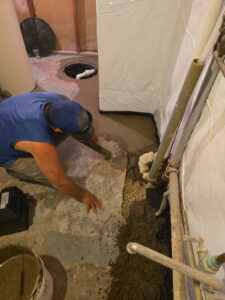 Before you even think about waterproofing, the first step is to clear your basement space. It’s not as intimidating as it sounds, so don’t let the thought of it scare you away. You’ve got this.
Start by removing any large items. Furniture, appliances, boxes, you name it. If it’s in your basement, it needs to go. This might be a good time to declutter and decide what you really need. This process won’t only make waterproofing easier but also give you a chance to reorganize and reclaim your basement space.
Next, sweep and dust the area. You’ll want it as clean as possible, so don’t skimp on this step. Dirt, dust, and debris can affect the waterproofing process, so it’s important to be thorough.
Remember to pay attention to corners and hidden spots. It’s easy to overlook these areas, but you’ll regret it later if you do. Be meticulous and make sure you get every nook and cranny.
Inspecting for Existing Damage
Now that your basement is clear, it’s essential to inspect for any existing damage.
This involves identifying any signs of water damage, checking the structural integrity, and spotting mold and mildew.
Identifying Water Damage Signs
Scanning your basement for signs of water damage forms an important step in preparing it for waterproofing.
It’s vital to know what you’re looking for to guarantee a thorough inspection. Identifying these signs early on can save you a lot of time and money in the long run.
Here are five common signs of water damage in your basement:
- Stains and Discoloration: Water often leaves behind brown or yellow stains on walls and ceilings. These stains are usually irregular in shape and may have a musty smell.
- Mold and Mildew: These are clear signs of moisture problems. They can appear as dark spots or growth on the walls, ceilings, or floors.
- Peeling Paint: Water can cause paint to bubble, crack, or peel off. If you notice this, it’s a sign of underlying water damage.
- Efflorescence: This white, powdery substance can appear on your walls due to salt deposits left by evaporating water.
- Wet or Damp Basement Floor: If your basement floor is consistently damp, it’s a clear sign that water is seeping in.
Checking Structural Integrity
Shifting your focus from water damage, it’s important to check the structural integrity of your basement. This is a significant step before the waterproofing crew arrives, as any existing damage could worsen during the waterproofing process or compromise the results.
Start by inspecting the walls and floors for cracks. These can be small hairline fractures, or larger, more obvious damage. You’re looking for anything that indicates movement or instability. Don’t ignore these signs – they could suggest serious structural issues.
Next, check for bowed or leaning walls. This can be a sign of pressure from water or soil on the exterior. You might also want to look for uneven floors, as this could indicate a sinking or shifting foundation.
Don’t forget to inspect the ceiling for sagging or cracks. This could be a sign of an issue with the main level of your home, and not just the basement.
Lastly, take a look at your basement windows and doors. Are they hard to open or close? This could be a sign of shifting in the structure.
Spotting Mold and Mildew
Before diving into the waterproofing process, it’s important to investigate any signs of mold or mildew in your basement.
These unwelcome guests can indicate existing dampness or water leakage, which needs to be addressed before you waterproof.
As a homeowner, there are several key signs you can look out for:
- Smell: Mold and mildew often produce a musty, damp odor. If your basement smells strange, it’s a clear sign of their presence.
- Visual cues: Look out for grey, black, green, or brown patches on walls, floors, or objects. These might be mold or mildew.
- Health symptoms: Frequent coughing, sneezing, or wheezing when in the basement could indicate mold spores in the air.
- Wall discoloration: Yellow, brown, or staining on the walls can be a sign of mildew.
- Surface abnormalities: If your walls or flooring appear warped, bulging, or cracking, moisture might be the culprit.
If you spot any of these signs, it’s vital to address the mold or mildew issue before the waterproofing crew arrives.
This will guarantee the longevity and effectiveness of your basement’s waterproofing.
Documenting Pre-Existing Conditions
Before you start waterproofing, it’s important to document any pre-existing conditions in your basement.
Begin by identifying and recording any current damages, which will serve as your baseline.
Don’t forget to snap detailed photos for future reference.
Identifying Current Damages
A surprisingly large number of homeowners overlook the importance of identifying and documenting pre-existing conditions in their basements.
However, it’s imperative to acknowledge these issues before the waterproofing crew arrives. By doing so, you’ll be protecting both yourself and the professionals from any misunderstandings or disputes about damages that were already present.
Here’s a simple guide to help you identify current damages:
- Cracks in the walls or floor: These are the most common signs of water damage. Check all surfaces meticulously. Measure and note the size of any cracks you find.
- Mold, mildew or a musty smell: These symptoms indicate prolonged exposure to moisture. Don’t forget to check hidden corners and behind furniture.
- Efflorescence: It’s a white, powdery substance left behind when water evaporates from the surfaces. This is a clear sign of water seepage.
- Peeling paint or wallpaper: Yet another sign of moisture, the adhesive loses its grip when exposed to water over time.
- Water stains or discoloration: These appear on walls or ceilings, signaling a possible leak.
Recording Baseline Conditions
With your notebook in hand, it’s time to start documenting the pre-existing conditions in your basement. This step is essential, as it provides a baseline for what’s already there before the waterproofing work begins.
You’ll want to note any signs of water damage, such as mold, mildew, or water stains on the walls or floor. Also, keep an eye out for cracks in the foundation or walls, as these can be entry points for water.
Don’t forget to pay attention to the smell. If your basement has a musty odor, it might be an indication of underlying water damage.
Also, note if there are any areas where the floor feels damp or if you see any efflorescence – the white, chalky substance that can appear on basement walls when water evaporates.
You should also document the state of any furniture, appliances, or belongings stored in the basement. Are there any signs of water damage? Is anything rusting?
These details will be helpful in case you need to make an insurance claim later.
Photographing for Reference
In addition to jotting down notes, taking photographs of your basement prior to waterproofing is an essential step. These photos will act as a reference for any pre-existing conditions, helping you avoid any potential disputes about damages caused during the waterproofing process.
Before the crew arrives, make sure you’ve snapped clear, well-lit photos covering every corner of your basement. This includes any existing damage or elements that may affect the waterproofing process.
Here are some tips for taking effective reference photos:
- Use a high-resolution camera if possible, but your smartphone will also do the trick.
- Take multiple photos from different angles to make sure of complete coverage.
- Don’t forget to capture the ceiling and floor – they’re just as important.
- If there’s existing water damage, capture it in detail.
- Take pictures under different lighting conditions to highlight any hidden flaws.
Securing Valuable Items
Before diving into the waterproofing project, you need to secure your valuable items. Whether it’s antique furniture, electronics, or sentimental keepsakes, they shouldn’t be left at the mercy of construction work. Here’s a simple guideline on how to go about it.
| Steps | Description | Tips |
|---|---|---|
| 1. Identify | Make a list of everything you value. | Don’t forget about items stored in hidden corners. |
| 2. Remove | Take out all the items you’ve listed. | Seek help for heavy objects. |
| 3. Store | Find a safe place to store them. | Consider rented storage if you’re short on space. |
| 4. Cover | For immovable items, cover them with sturdy plastic. | Tape the edges to secure the cover. |
| 5. Check | Double check if anything valuable is left unprotected. | Be thorough. It’s better safe than sorry. |
Preparing for Dust and Noise
Now that your valuables are secured, it’s time to tackle the next challenge – preparing for dust and noise. Waterproofing a basement isn’t a silent operation, and it certainly isn’t dust-free. As a result, it’s crucial to prepare yourself and your home for these inevitable inconveniences.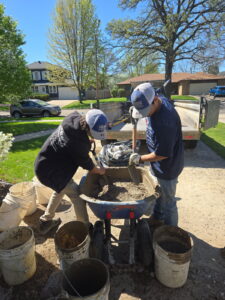
Here are a few steps you can take to minimize disruption and maintain a comfortable living environment:
- Cover Up: Use plastic sheets to cover furniture, electronics, and other items in areas adjacent to the basement. This will keep dust from settling on them.
- Ventilate: Open windows to allow dust to disperse and maintain good air quality. Remember to close them when the crew is working to avoid noise pollution.
- Relocate: Move your work or relaxation space to the quietest part of your house. This will allow you to continue your routine without disturbance.
- Inform: Tell your neighbors about the upcoming project. They’ll appreciate your consideration and will be more understanding of the temporary noise.
- Prepare Yourself: Invest in a good pair of earplugs or noise-canceling headphones. You’ll be surprised at how much they can help.
Arranging Convenient Access Points
Ever thought about how the waterproofing crew will access your basement? It’s essential that you arrange convenient access points to facilitate their work.
The crew needs to move bulky equipment and supplies in and out of your basement. Consequently, clear a pathway from the entry point to your basement. Remove any obstacles, such as furniture, plants or decorations that might hinder movement.
If your basement has an exterior access, that’s a bonus! It’ll make it easier for the crew to carry their equipment straight to the basement. If not, you’ll want to plan a clear path through your house.
Remember to protect your floors from potential damage by laying down sheets of plywood or hardboard.
Also, it’s crucial to reflect on the lighting. If there’s inadequate lighting in your basement, it could hamper the crew’s ability to work efficiently.
Verify there’s ample light in the basement and the path leading to it.
To sum up, getting your basement ready for the waterproofing crew isn’t hard. Just clear the area, check for damage, document any issues, and secure your valuables. Be prepared for some dust and noise, and make sure the crew has easy access. With a little preparation, you can make the process smoother and more efficient. It’s all about paving the way for a successful waterproofing project and protecting your home from potential water damage.

All-Star Basements is Locally Owned and Operated and based out of Rochester, Minnesota. We cover Southern Minnesota including the Twin Cities area, Western Wisconsin and parts of Northeast Iowa. Our team is committed to solving our customers’ basement waterproofing, foundation repair, or crawl space needs and offering multiple solutions to choose from.
As a proud member of the Basement Health Association and the National Waterproof Members of America, we have the best products available to solve your leaky basement, seepage, or flooding issues. Our lineup also includes multiple crawl space solutions.
If you have foundation problems that need any kind of repair, we can help! We feature the nationally renowned Grip-Tite Foundation Systems, which has a long history over 90 years of fixing homeowners’ foundation repair issues- from walls that are buckled, tipping or cracked and bowing.
At All-Star Basements, we are committed to providing multiple solutions to choose from to help fix any basement problem you may have. We are very proud of our Better Business Bureau A+ rating and take great pride in caring for all of our customers’ needs- big or small, we do it all!